CHARLES RIVER CLIMATE COMPACT
Regional Collaboration for Climate Action.
Climate Change Doesn’t Follow Political Boundaries.
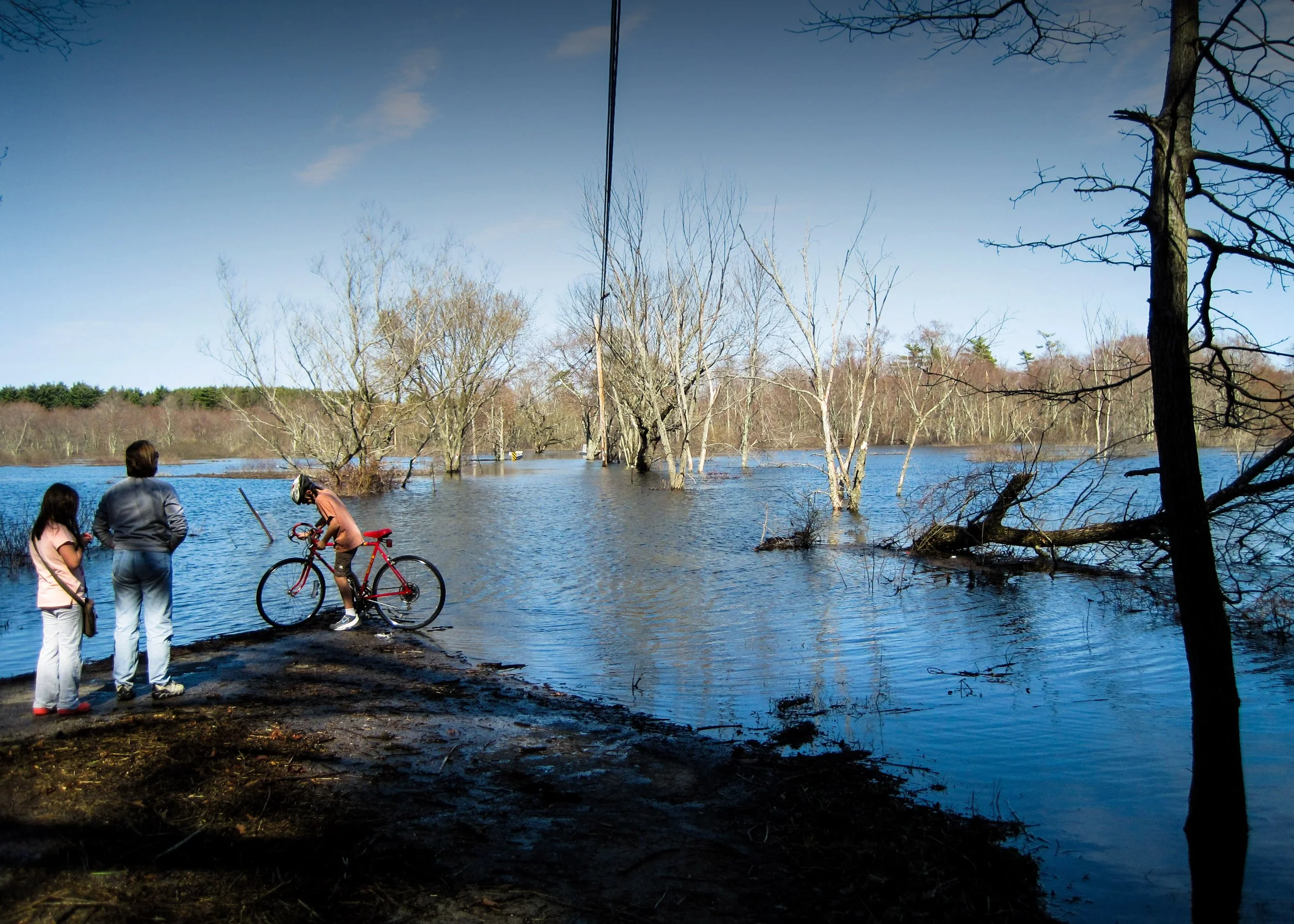
Regional collaboration is essential for preparing for climate change. Around the planet we are already seeing the effects of climate change: fires, mudslides, heat, floods. In our part of the watershed, a key challenge is increased precipitation; the Northeast experienced a 71% increase in the amount of precipitation falling in very heavy events (the heaviest 1%) from 1958 to 2012. Our infrastructure was not built for the volume of rainfall and snowmelt we are now receiving, and that volume will only grow in coming years. As water does not respect municipal boundaries, individual cities and towns cannot face this monumental challenge alone.
Founded in 2019, the Charles River Climate Compact (CRCC) is a voluntary partnership of 28 watershed communities that takes a watershed approach to climate adaptation and mitigation to address precipitation-based flooding, sea level rise, extreme heat, and ecosystem health through regional collaboration and information sharing.

A Regional Collaboration.
The Charles River Climate Compact’s mission is to work collaboratively to increase climate resilience for people, and the natural ecosystems in the Charles River watershed by taking a regional approach to implementing climate adaptation and mitigation solutions.
Do you see your city or town? Participating communities include Arlington, Bellingham, Belmont, Boston, Brookline, Cambridge, Dedham, Dover, Franklin, Holliston, Hopkinton, Lincoln, Medfield, Medway, Millis, Natick, Needham, Newton, Norfolk, Sherborn, Somerville, Walpole, Waltham, Watertown, Wellesley, Weston, Westwood, and Wrentham.

Building Resilience in the Watershed Initiative
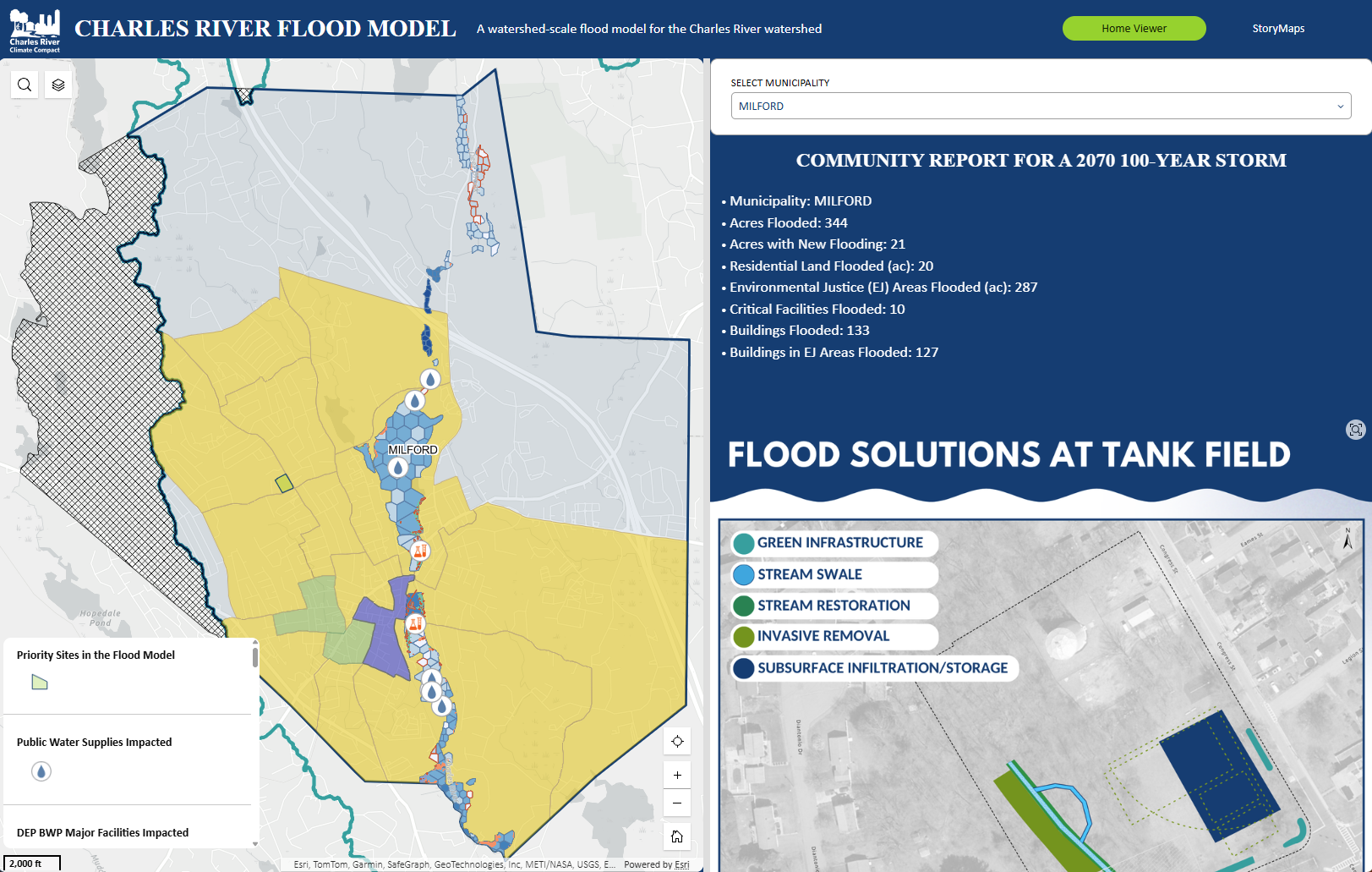
In 2020, the CRCC launched the Charles River Flood Model, a watershed-scale visualization that predicts when and where flooding will occur with climate change and identifies and designs solutions to help our communities prepare.
Taking a watershed view allows us to identify the most cost-effective solutions and equitably address flooding concerns by considering upstream impacts on downstream communities.

Regional Tree Protection and Planting Plan
Trees are one of our greatest climate solutions — providing cooler neighborhoods, clean air, flood mitigation, cleaner water, and mental health benefits — yet our watershed is losing tree canopy at an alarming rate. Since 2000, Massachusetts has lost over 3.5% of its tree cover.
In 2026, the CRCC published a Regional Tree Planting and Protection Plan for the Charles River watershed. The plan provides a central resource to help municipalities and residents maximize the health and benefits of existing trees, protect trees from invasive species and other threats, and identify new opportunities for tree planting to ensure a robust, healthy tree population that can thrive in our changing climate.
Private-Public Partnerships in Stormwater
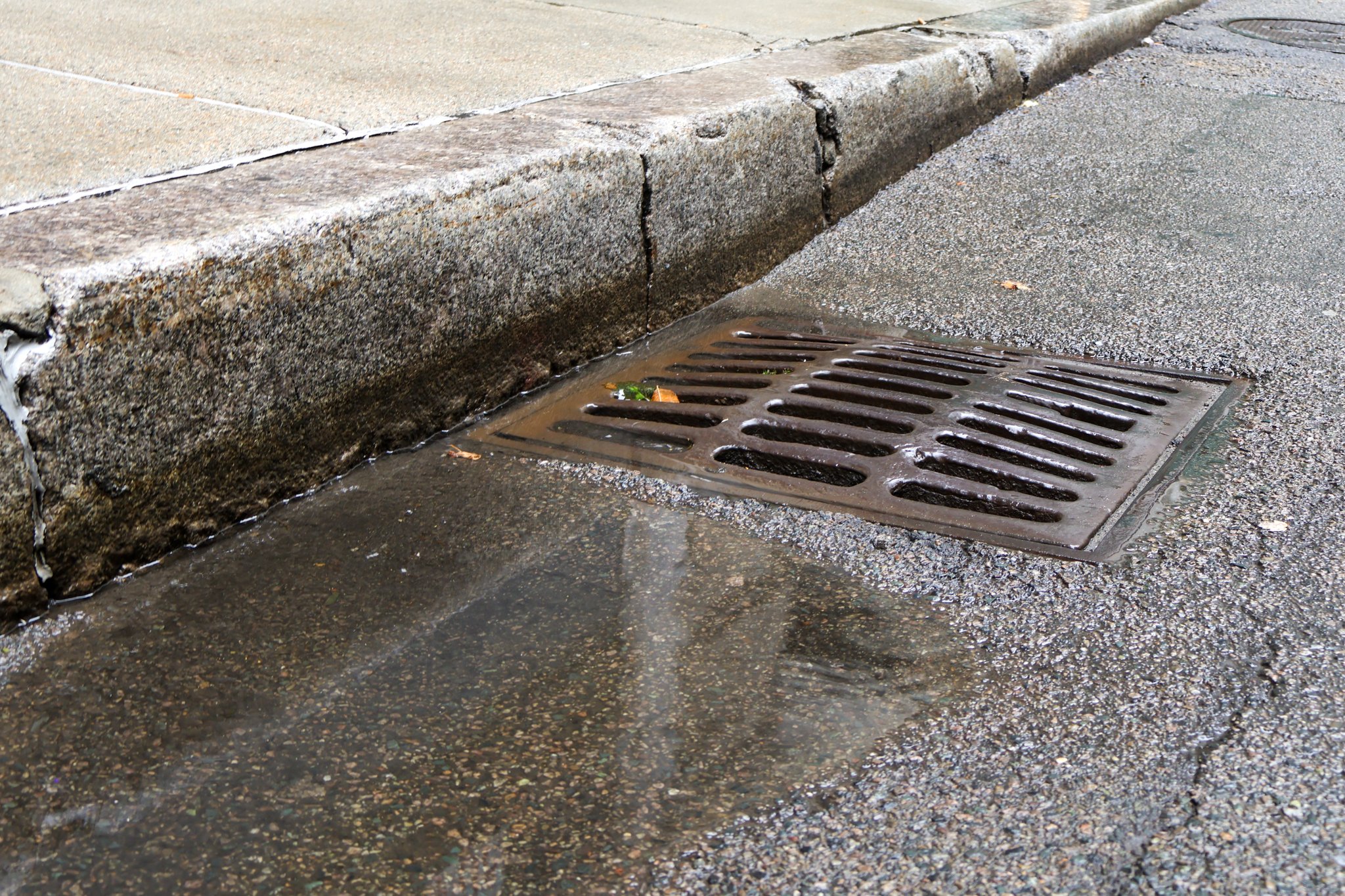
Stormwater pollution is the greatest threat to a clean Charles River.
In 2026, we partnered with municipal stormwater managers and public policy experts from Raftelis to discuss the potential of public-private partnerships for stormwater control to support phosphorus reduction throughout the watershed.
Through discussions, research, and analysis of various case studies, we helped develop a technical memo that provides guidance and recommendations to enable these types of partnerships.
TECHNICAL MEMO >
CASE STUDY & FRAMEWORKS WEBINAR >
PRESENTATION SLIDES >
Join the Charles River Climate Compact!
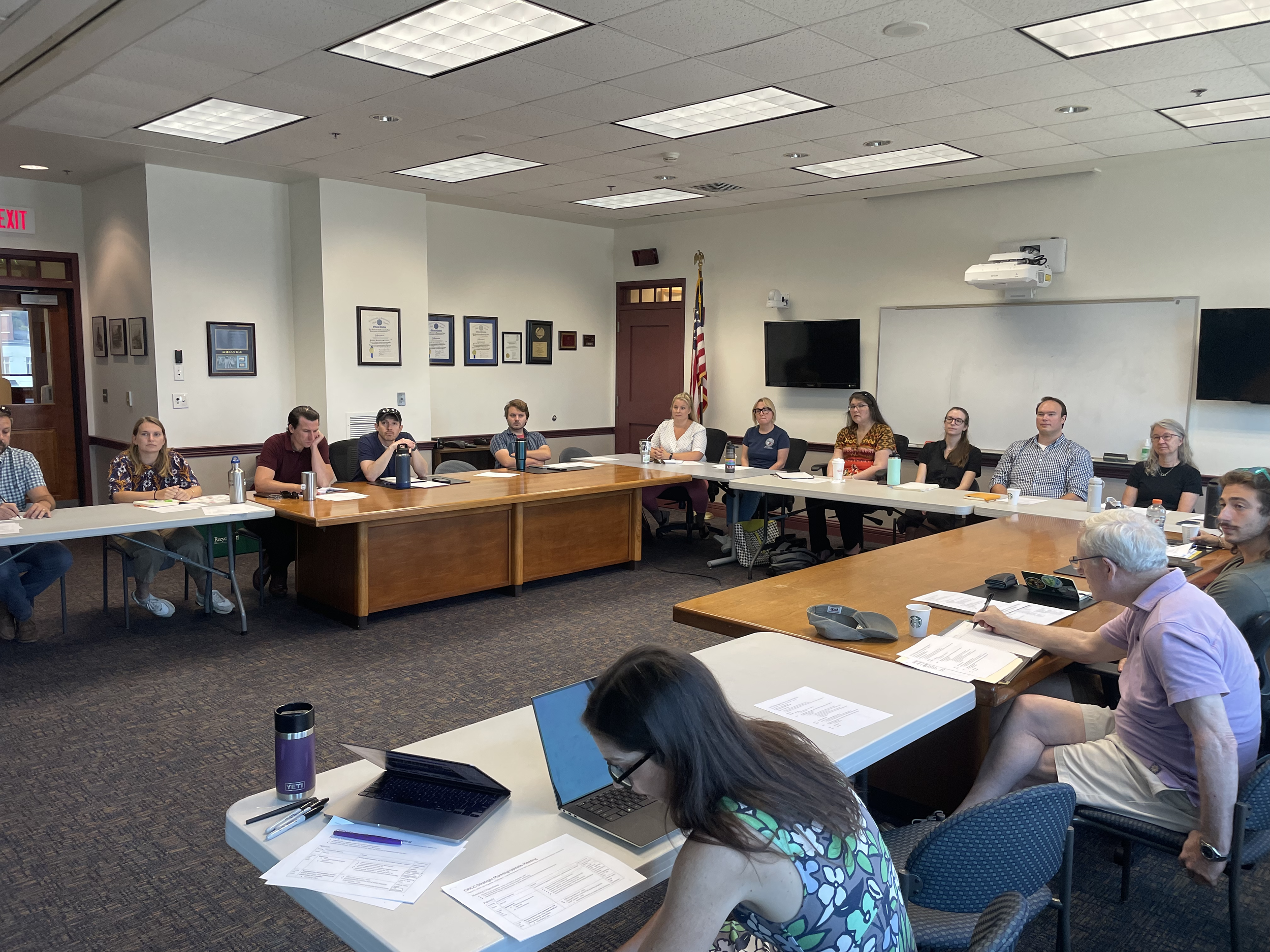
All communities within the Charles River watershed are invited to join to discuss shared and regional challenges to climate adaptation, collaborate on solutions, investigate watershed-scale flooding issues, and gain technical expertise from CRWA and others.
Not sure if you're in the Charles River watershed? Find out here.
HOW TO JOIN — Are you a municipal leader looking to advance climate solutions in your city or town? The CRCC meets the first or second Wednesday of the month in January, March, May, July, September, and November. Meetings are generally 1-2 hours depending on the agenda. Email Climate Resilience Director Julie Wood for more information.
Recent News