
A Look At Last Spring’s Herring Run
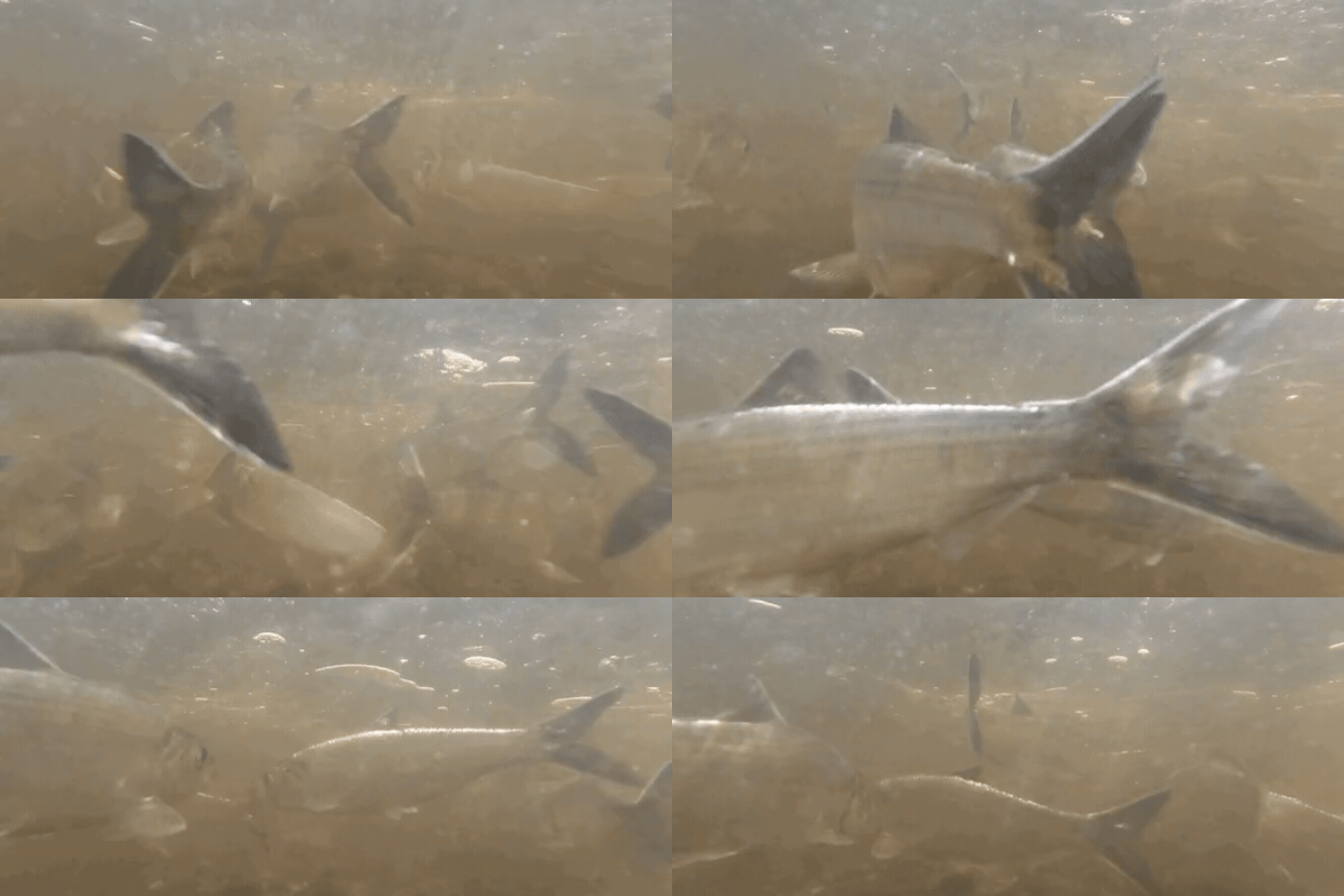
Herring spawning in the Charles River.
Each spring, thousands of migratory fish return to the Charles River to spawn from the ocean. But many are stopped short by defunct dams. This includes American Shad, Blueback Herring, Alewives, Rainbow Smelt, White Perch, Striped Bass, and American Eel.
2026 marked the third year of CRWA’s fish monitoring program, a vital volunteer initiative that helps us understand migratory fish populations and patterns in the Charles River. This year, more than 85 volunteers helped count herring at the Watertown Dam fish ladder.
Let’s take a look at the 2026 herring run!
CRWA volunteers monitored fish almost daily from April 13 through June 30. Volunteers observed three peak migration days, with the largest single-day count exceeding 12,000 herring on May 19. The other two smaller peaks were on May 18 and May 27. A total of 41,358 fish were counted at the Watertown Dam fish ladder. This is less than what was observed last year (in 2025, volunteers counted 78,674 herring), but more than we saw in 2024 (27,927 herring). This could be due to a variety of reasons, including a delay in the herring run caused by lower temperatures or dam management.
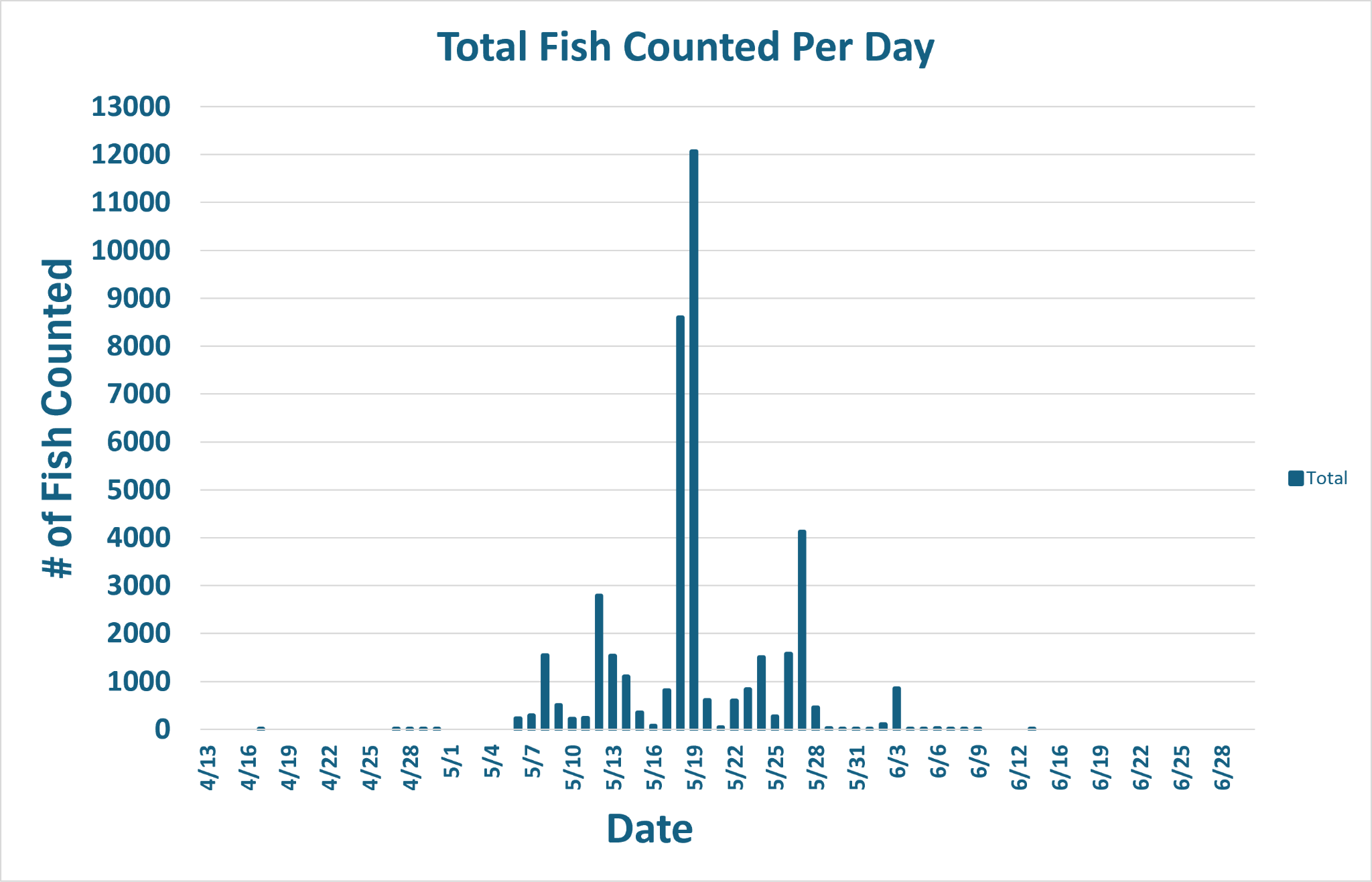
Figure 1. The total number of fish counted each day
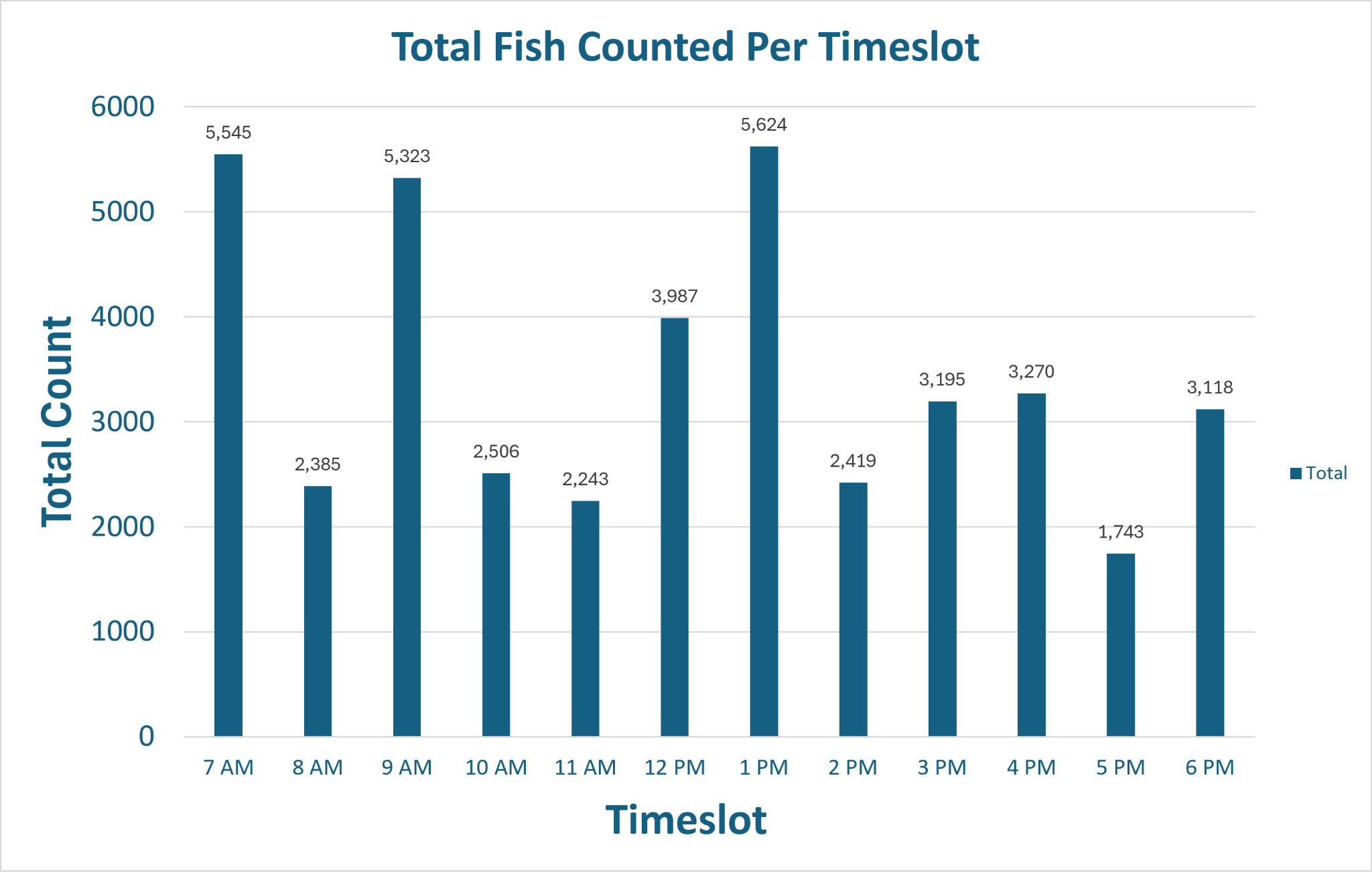
Figure 2. Total number of fish counted per timeslot for the duration of monitoring
After the migration, we share our data with the Division of Marine Fisheries (DMF) for further analysis. DMF analyzed the data and estimated a migration size of 342,456 fish (+/- 44,122). This shows an increase from last year's estimated size of 297,315 (+/- 152,039) and a significant decrease in the variance of that calculation. (Variance is reduced because the program is in its third year. The more consistently data is collected, the more certain DMF can be of the total migration size). We need to collect at least two more years of data to accurately assess this year’s migration compared to past years, but we can confidently say that the Charles has a significant herring population!
Our fish monitoring season will begin again in April. Thank you to all of our incredible volunteers who make this possible!
New this year was a Chronolog photo station at Watertown Dam, which allows community scientists to submit photos of the river. This tool allows us to see changes over time that may not be observed on a day-by-day basis. A full time-lapse of the submissions can be seen at chronolog.io/site/CRW203?play=true