
Release: Cyanobacteria Bloom in Lower Basin of Charles River
FOR IMMEDIATE RELEASE: August 21, 2026
Contact: Carly Sherman, Charles River Watershed Association
Email: csherman@crwa.org
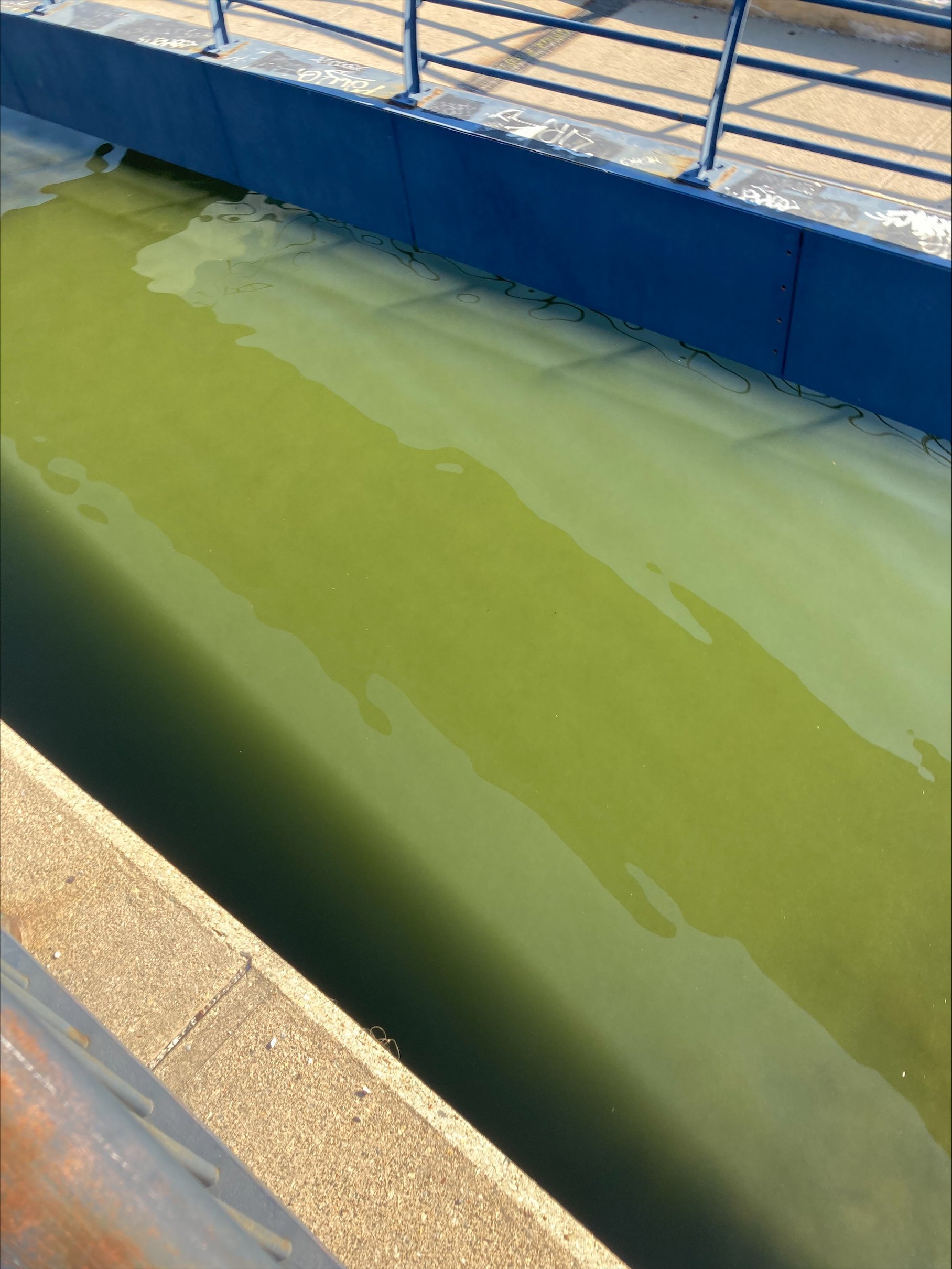
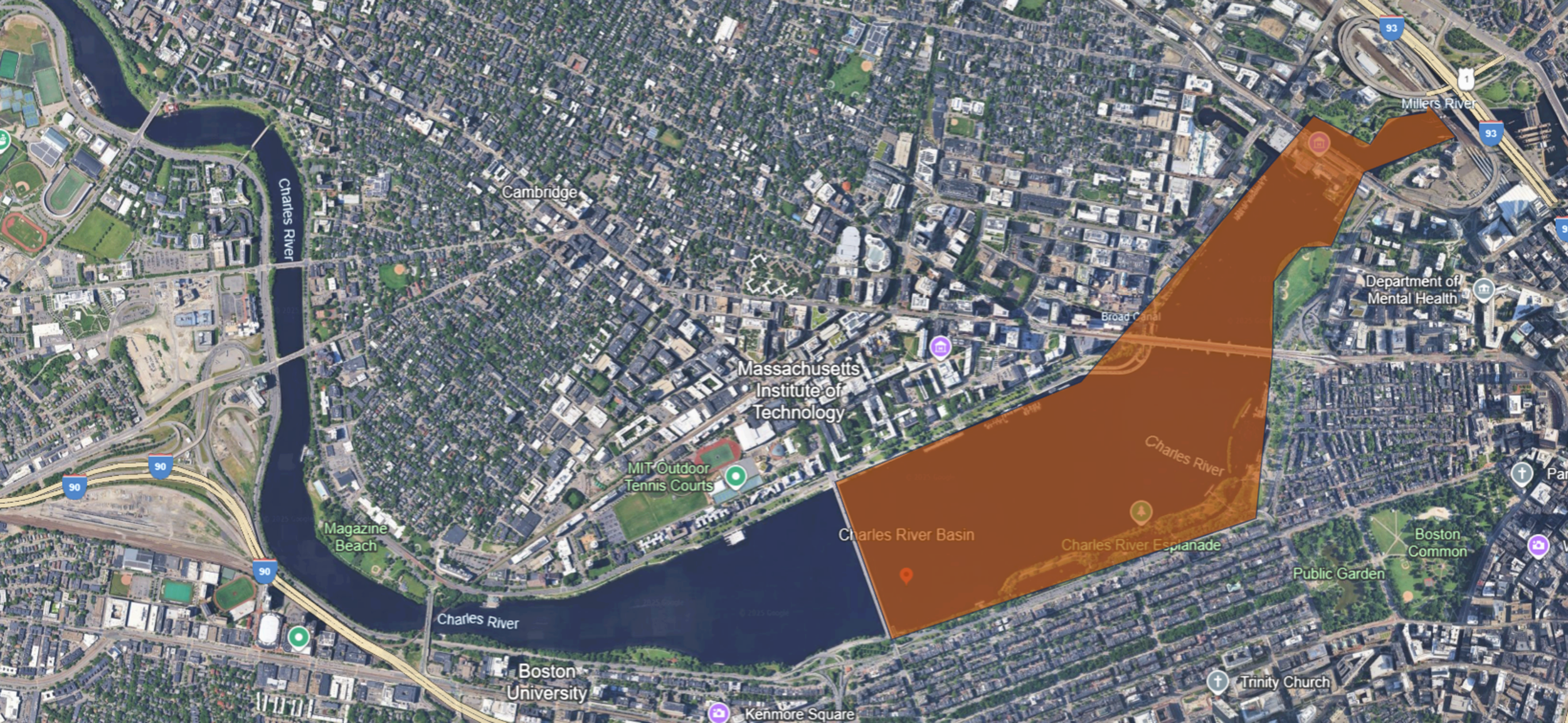
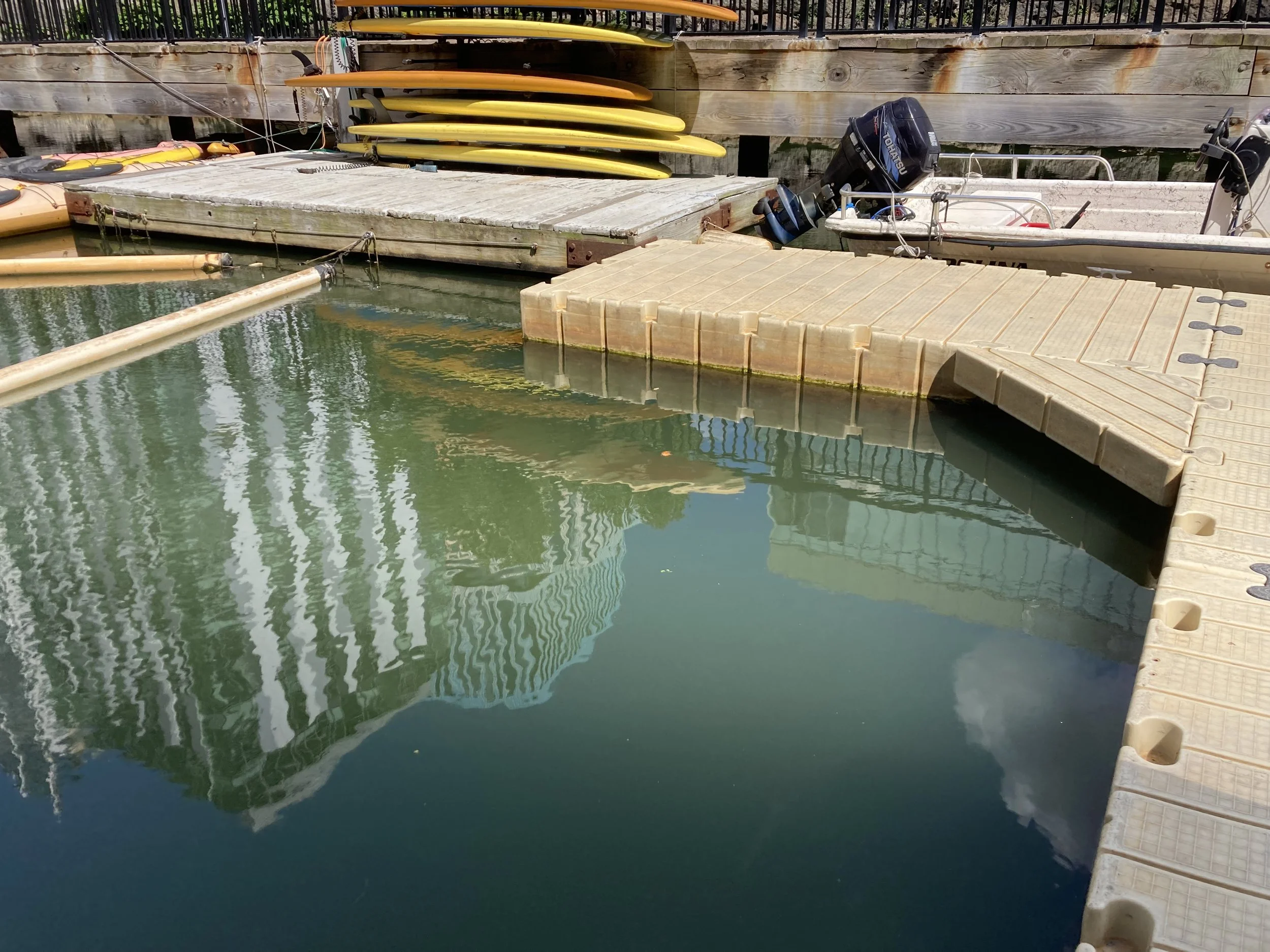
BOSTON, MA – The Massachusetts Department of Public Health (DPH) recommended a public health advisory due to a significant cyanobacteria bloom in the Lower Basin of the Charles River downstream of the Harvard Bridge (a.k.a. Mass Ave Bridge).
Sampling and microscope analysis by Charles River Watershed Association on August 19 showed cyanobacterial concentrations exceeding DPH guidelines. On August 20, DPH conducted a site inspection to visually confirm the bloom before recommending the advisory.
Cyanobacteria, also known as blue-green or toxic algae, are naturally occurring microorganisms in rivers, lakes, and ponds that can release harmful toxins during periods of rapid growth. Direct contact can cause skin rashes, and inhaling airborne toxins can affect respiratory systems, especially for those with pre-existing conditions like asthma. Small children and pets are especially susceptible to the effects of cyanotoxins.
Due to these severe health risks, DPH has deemed the area unsafe for people and pets and has advised the public not to swim or swallow water, to keep their pets away, and to rinse off after contact with the water.
Cyanobacteria grow rapidly when bodies of water experience high phosphorus levels, hotter temperatures, and stagnant conditions. In the Charles River, cyanobacterial blooms are a symptom of excessive stormwater pollution and ecological degradation. This is the third consecutive summer that the Charles River has experienced a cyanobacteria bloom.
For ongoing water quality updates, please visit CRWA’s flagging webpage.
###
Charles River Watershed Association’s mission is to protect, restore and enhance the Charles River and its watershed through science, advocacy, and the law. CRWA develops science-based strategies to increase resilience, protect public health, and promote environmental equity as we confront a changing climate.