New Drought-Resilient Landscape Designs To Help Watershed Municipalities & Residents Combat Drought
EXPLORE NEW DROUGHT-RESILIENT LANDSCAPE GUIDE
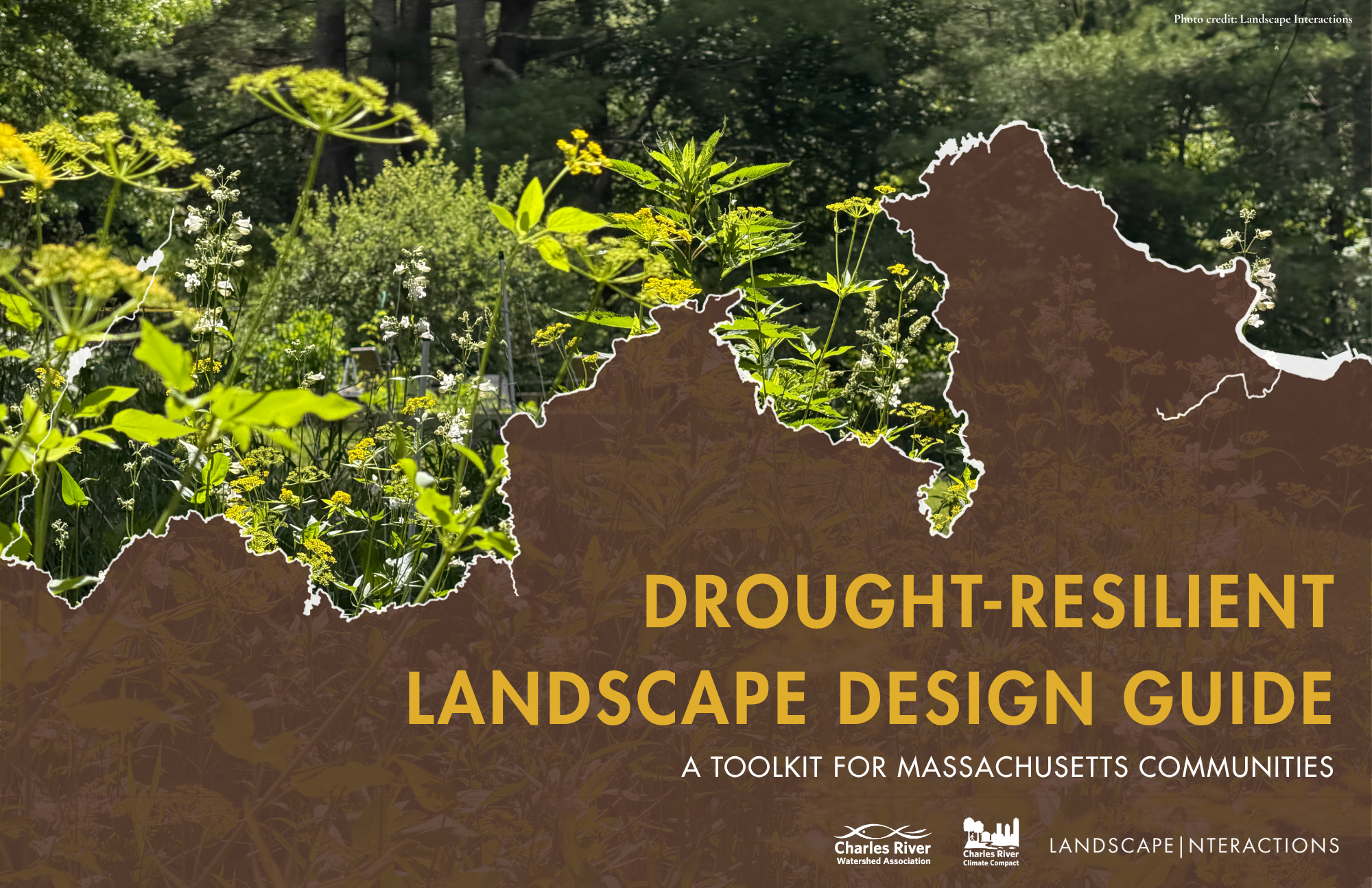
BOSTON, MA – The Charles River watershed has been in a drought since August 2025, nearly 18 months. Climate change is making drought conditions more common in Massachusetts, so navigating drought impacts is a growing challenge for many watershed cities and towns. Charles River Watershed Association (CRWA) and the Charles River Climate Compact (CRCC), a voluntary partnership of 28 watershed communities that takes a regional approach to climate adaptation and mitigation, recently released the Drought-Resilient Landscape Design Guide: A Toolkit for Massachusetts Communities.
The guide includes design templates to help communities streamline projects that add drought-resilient landscapes, reduce traditional lawn practices, and support easier maintenance in drought conditions and a healthier watershed overall.
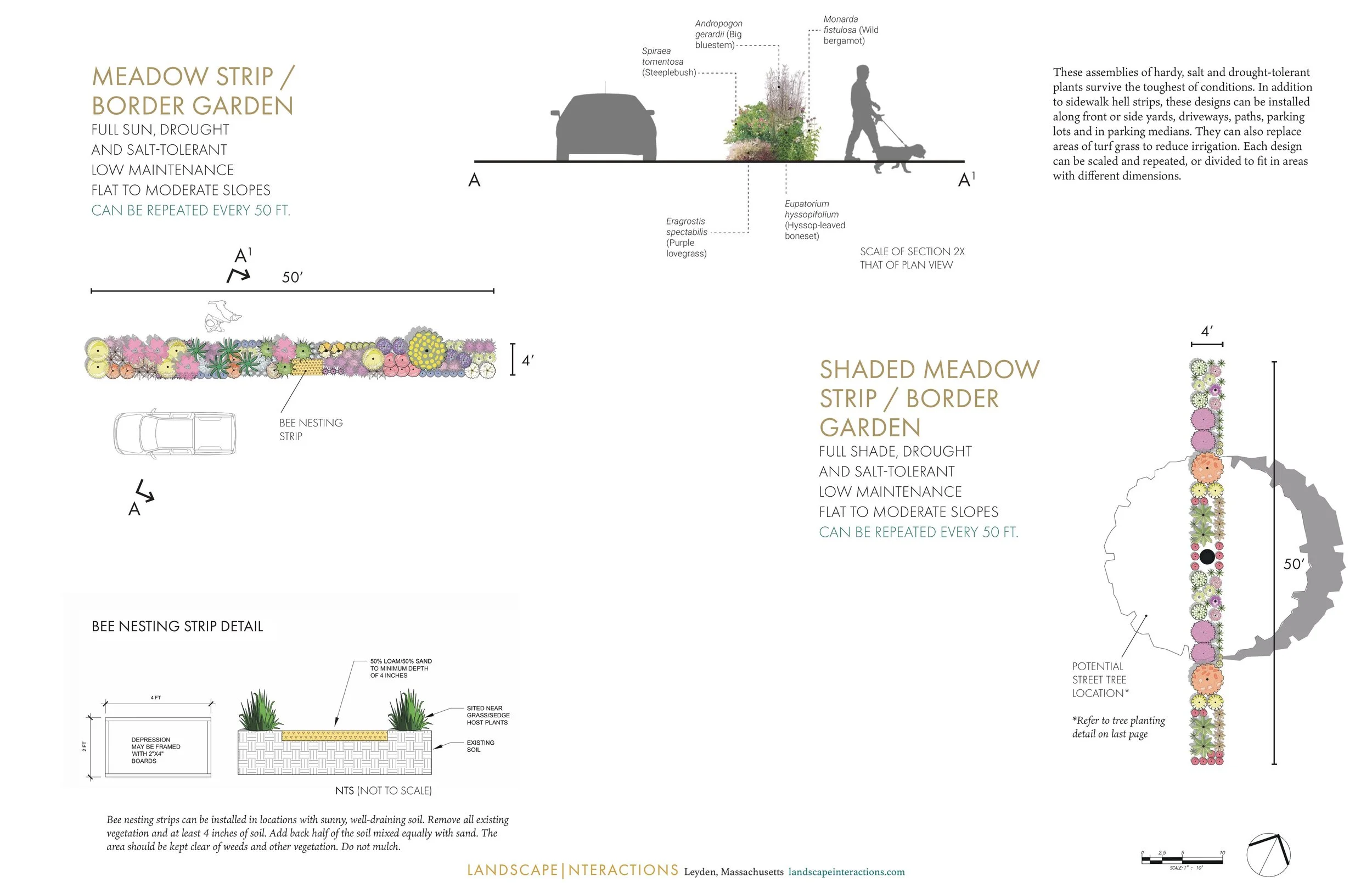
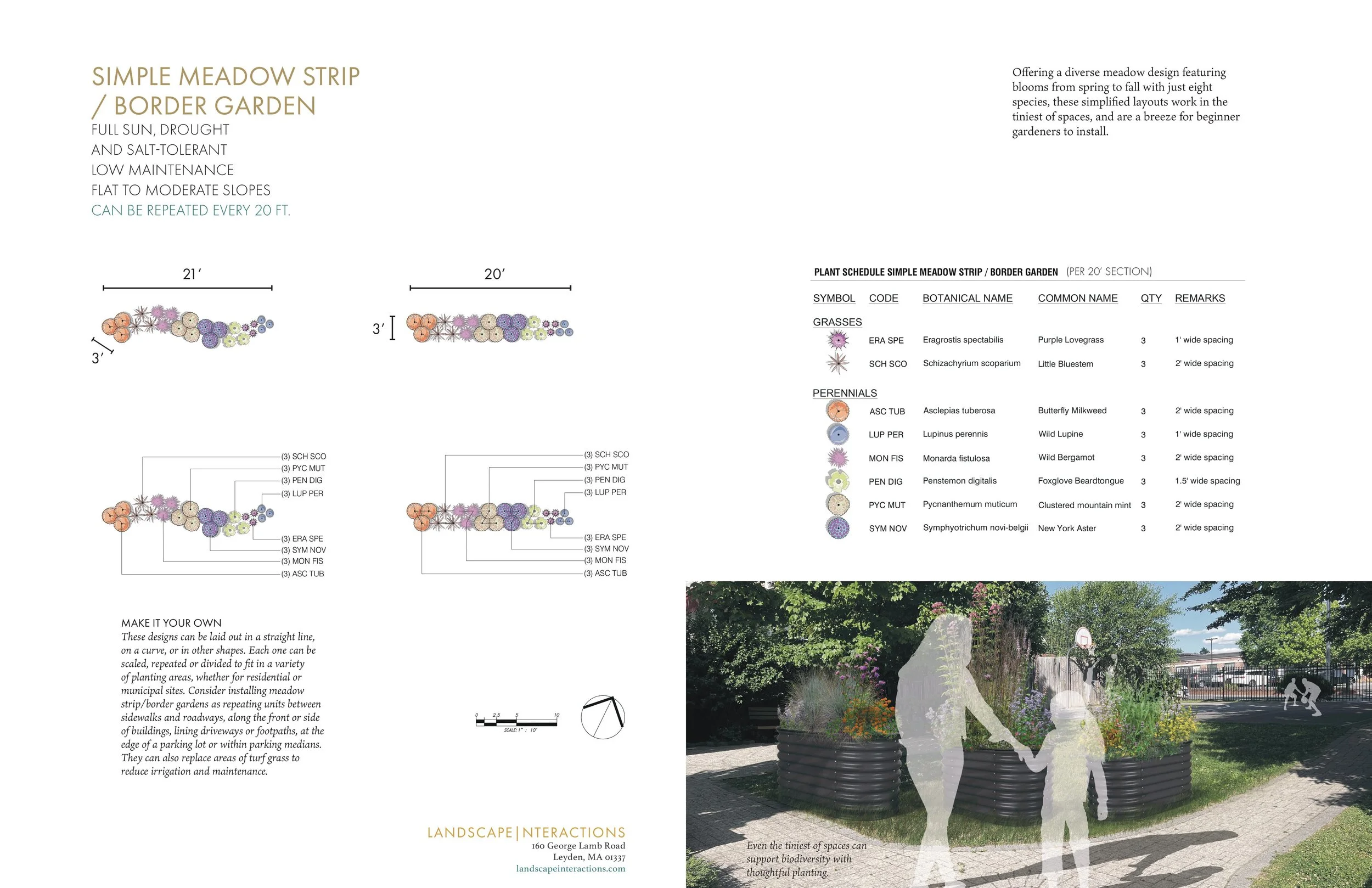
The guide provides four pre-designed planting templates that town planners and DPW staff can easily implement at municipal sites like schools, libraries, and parks:
Meadow Strip/Border Garden: Hardy, salt- and drought-tolerant plantings suitable along sidewalks, driveways, and parking lots
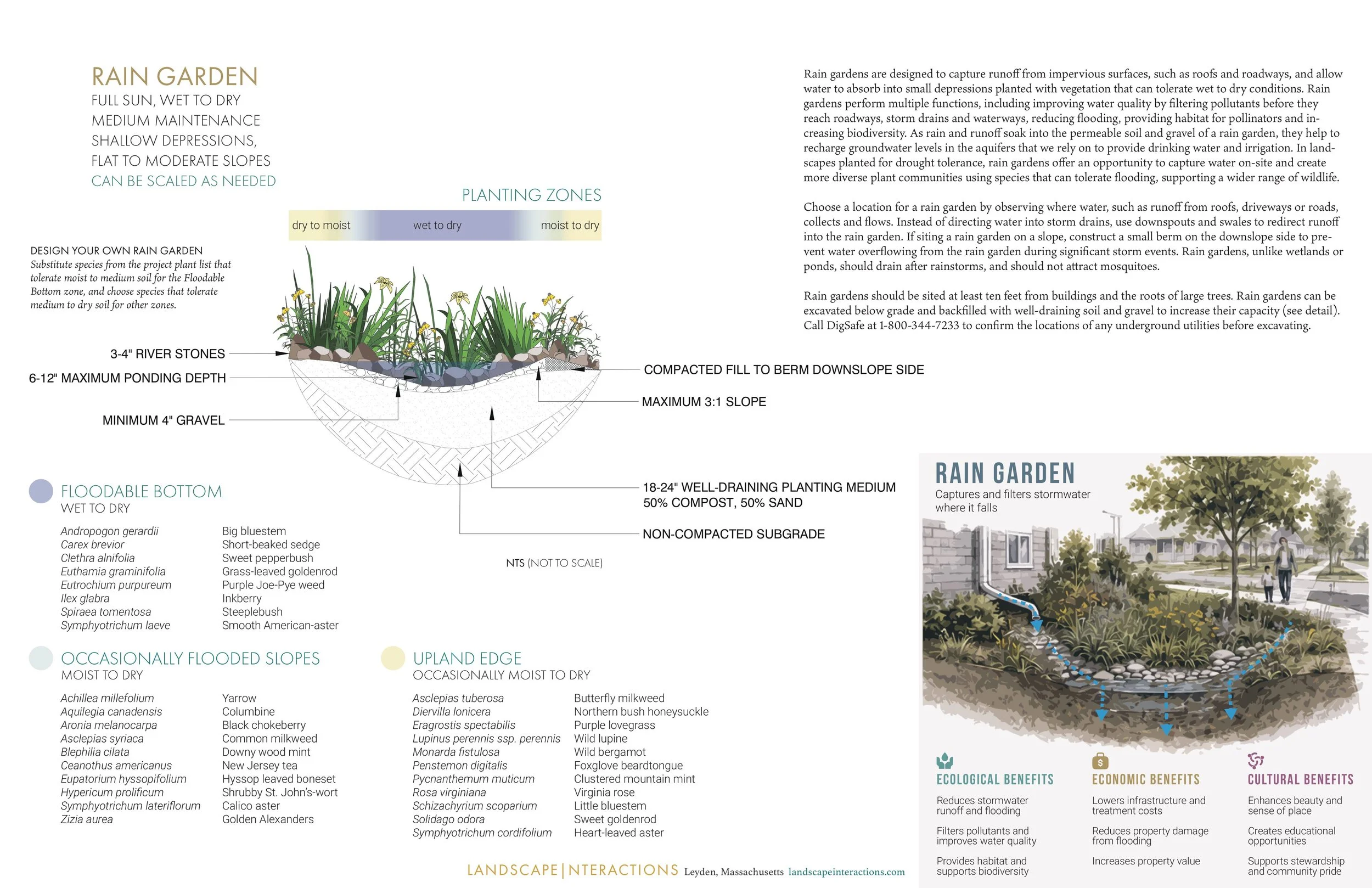
Rain Garden: Designed to capture runoff from impervious surfaces while providing pollinator habitats that withstand drought conditions
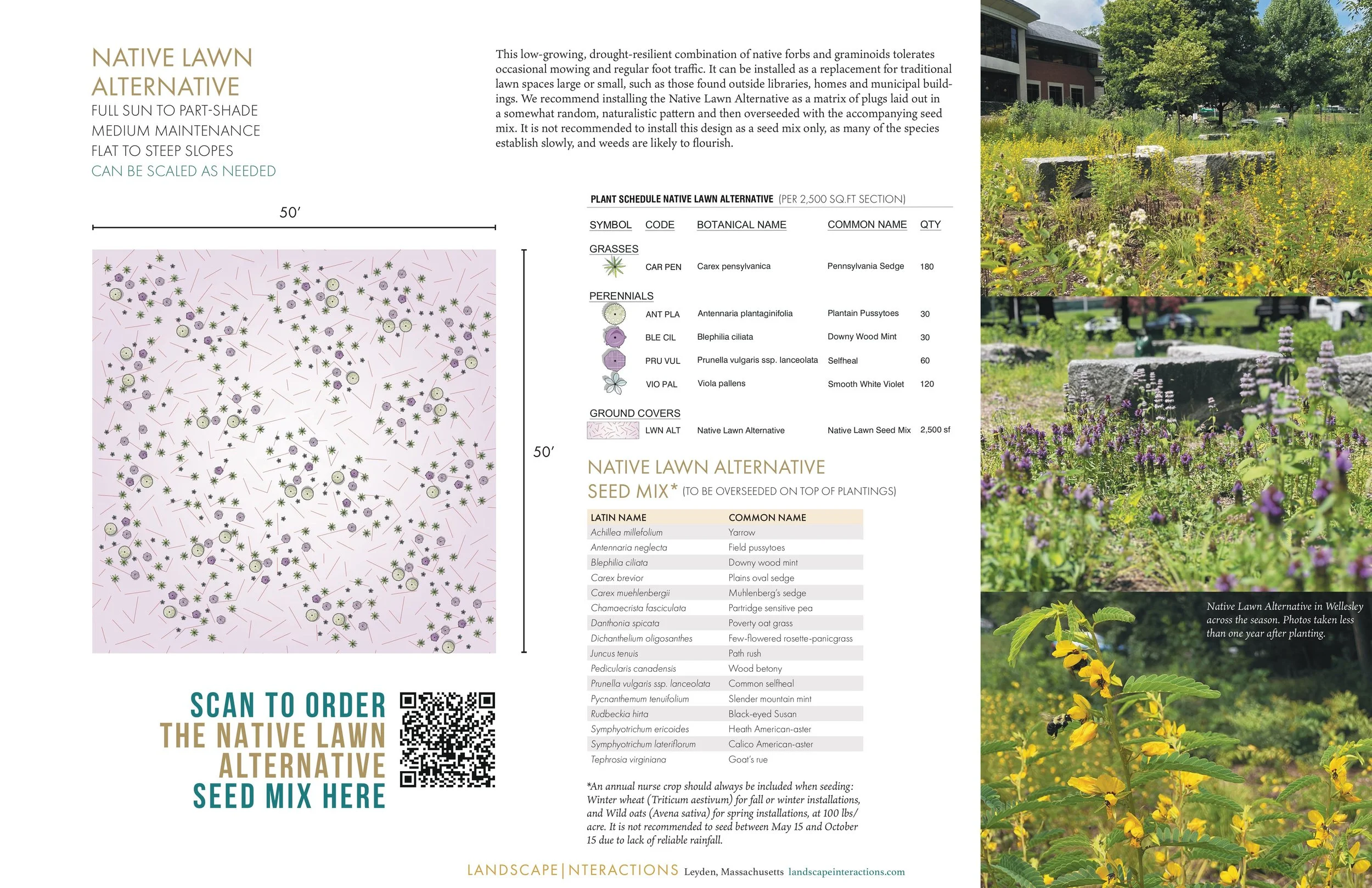
Native Lawn Alternative: A low-growing turf replacement with native forbs and graminoids for regular foot traffic spaces
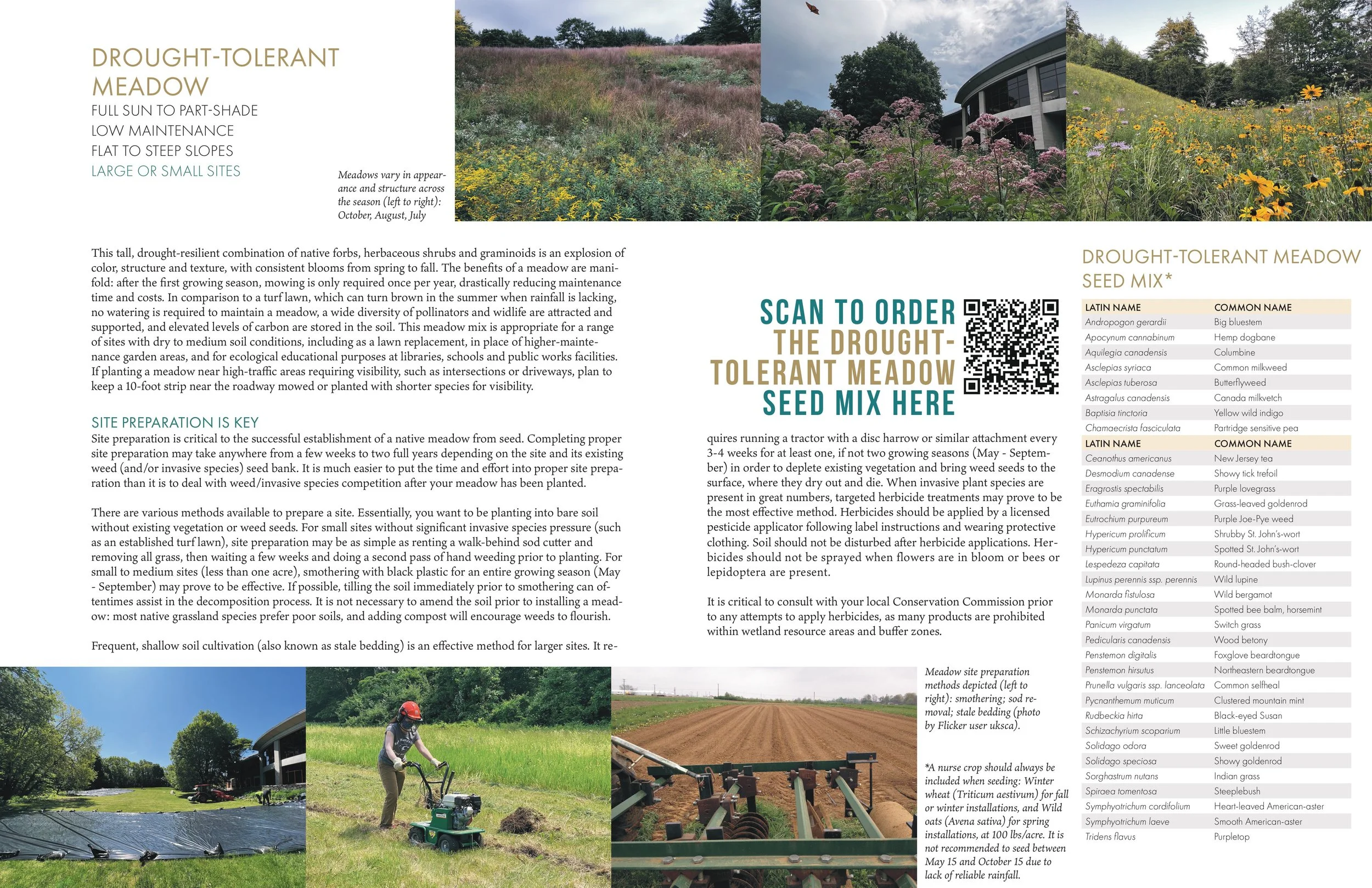
Drought-Tolerant Meadow: A low-maintenance landscape with combinations of tall native forbs and herbaceous shrubs perfect for large open spaces
"For several years, Needham has recognized a growing need for a comprehensive drought-resilient landscape guide to support our improvement projects. Increasingly frequent drought conditions, combined with shifting climate patterns, have underscored the importance of having a streamlined, science-based resource to guide our landscaping choices and capital project plantings. This regionally based landscape guide will help fill this gap for Needham by promoting consistency across our projects and supporting our community’s goals of conserving water during drought conditions and building climate resilience," says Gabby Queenan, Sustainability Manager for the Town of Needham.
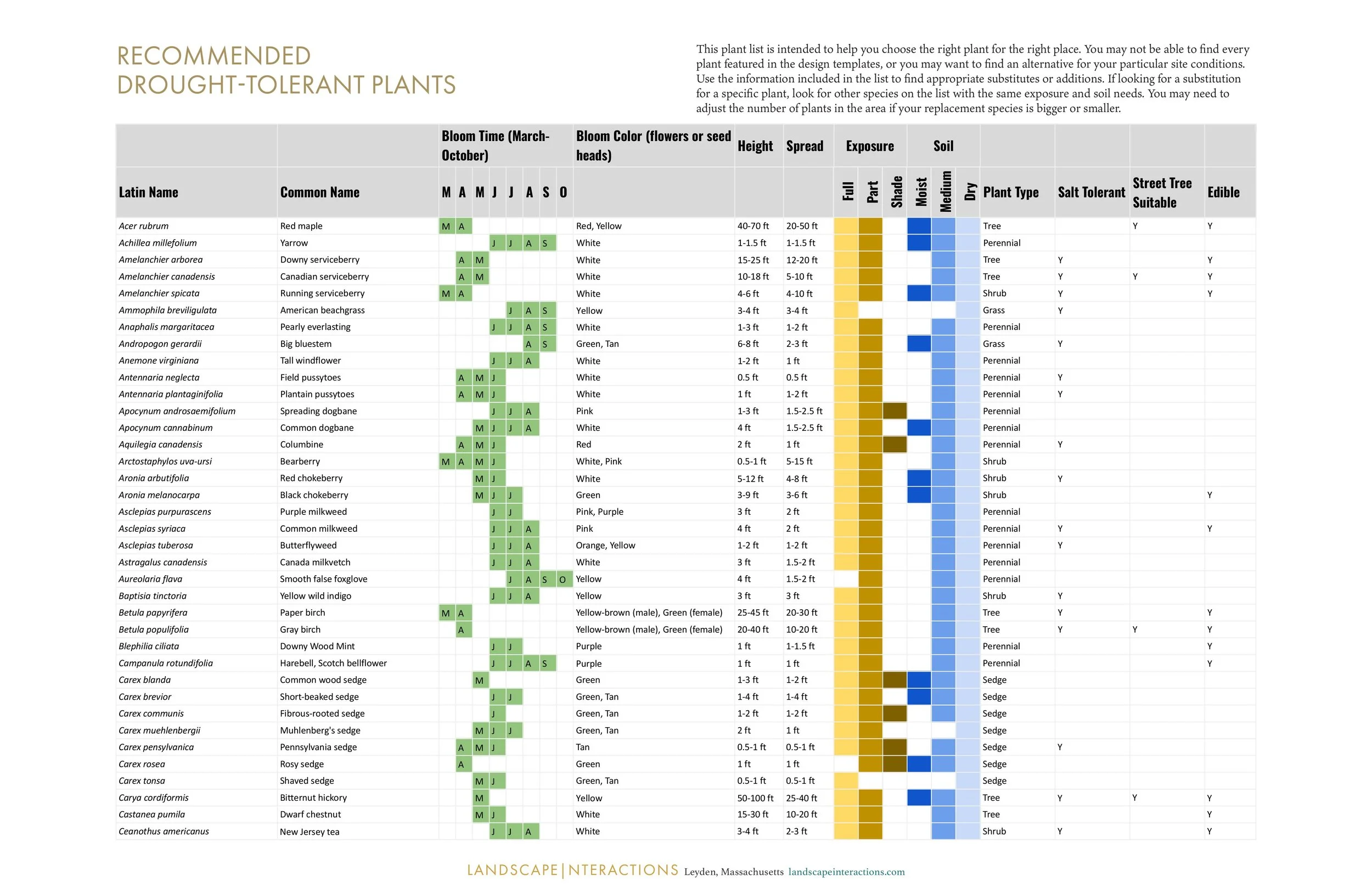
The guide can also serve as a reference for homeowners and private developers. While focused on the Charles River watershed, the guide is scalable and adaptable for municipalities, landscape professionals, and homeowners across the Northeast region who share similar climate challenges. With over 100 plant selections and ready-to-use layouts that can be repeated for larger areas, customized to different shapes, and divided to fill smaller spaces, the plan lowers the barrier for both experienced professionals and beginners to adopt drought-resilient practices with ease.
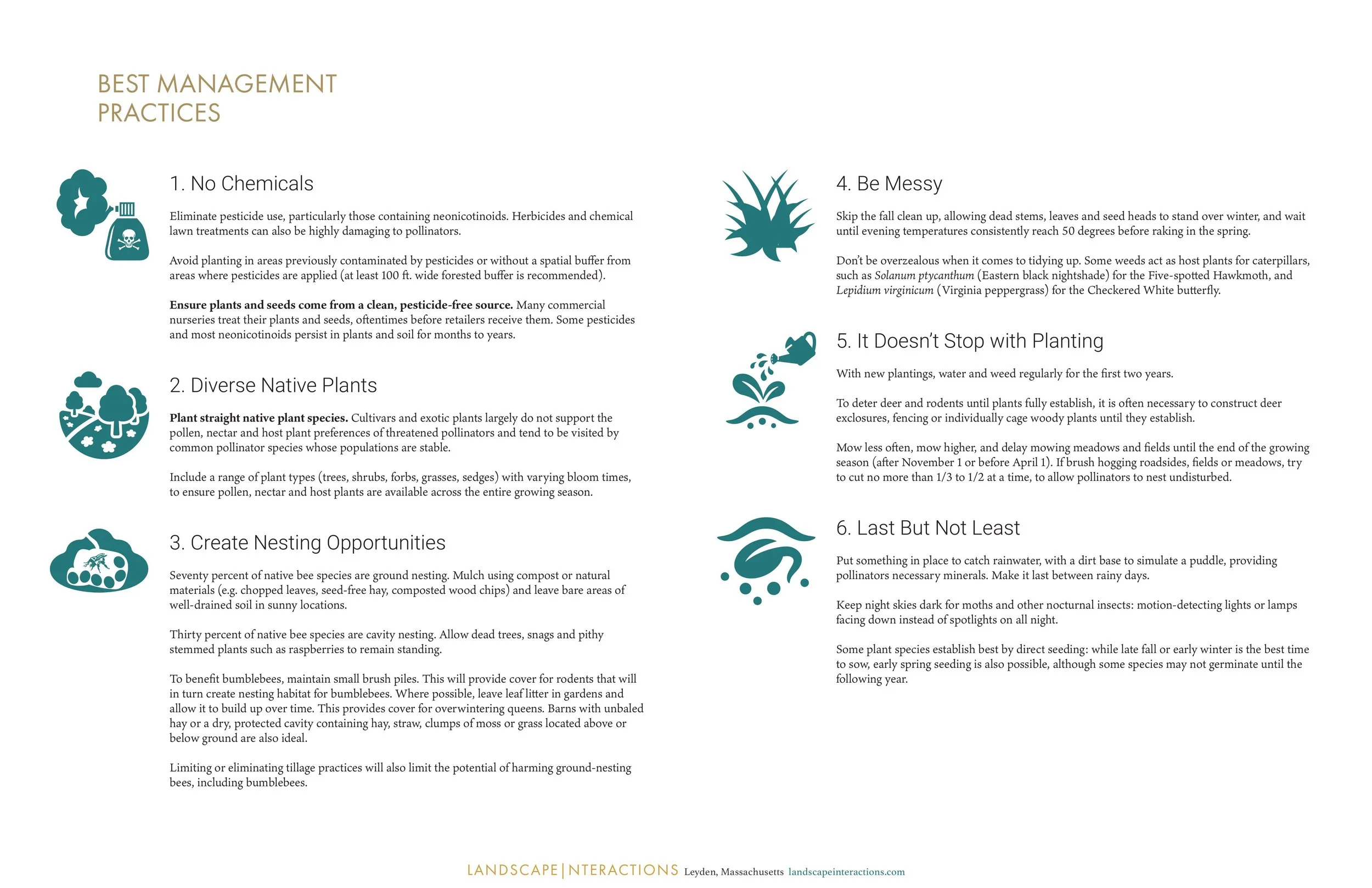
Landscape Interactions provided technical expertise for the guide. The Town of Ipswich and Ipswich River Watershed also provided valuable input. Participating CRCC communities include Arlington, Bellingham, Belmont, Boston, Brookline, Cambridge, Dedham, Dover, Franklin, Holliston, Hopkinton, Lincoln, Medfield, Medway, Millis, Natick, Needham, Newton, Norfolk, Sherborn, Somerville, Walpole, Waltham, Watertown, Wellesley, Weston, Westwood, and Wrentham.
This project is funded by the Executive Office of Energy and Environmental Affairs.