
BRINGING NATURE BACK TO MILFORD
Using nature to reduce stormwater pollution, reduce flooding, and restore our watershed.
Over the past several years, CRWA has worked with the Town of Milford to assess ongoing environmental concerns. Together, we have developed and implemented green stormwater infrastructure projects to address pollution and flooding. Ongoing projects aim to further reduce stormwater runoff, build climate resilience, and restore natural ecosystems for the benefit of people and the planet.

Stormwater pollution is one of the greatest threats to the Charles River.
When it rains or snows, water runs off our roofs, sidewalks, driveways, and roads - all the impervious surfaces that make up our built environment - picking up pollution along the way.
Traditional stormwater pipes create a super-highway for pollution and bring it straight to the Charles River. This heavily polluted runoff degrades the river ecosystem - carrying excess nutrients that cause invasive species growth and cyanobacteria blooms.
LEARN MORE: CHECK OUT BRINGING NATURE BACK, OUR THREE-PART VIDEO SERIES ON GREEN INFRASTRUCTURE IN MILFORD!
Climate change is increasing flood risks in Milford.
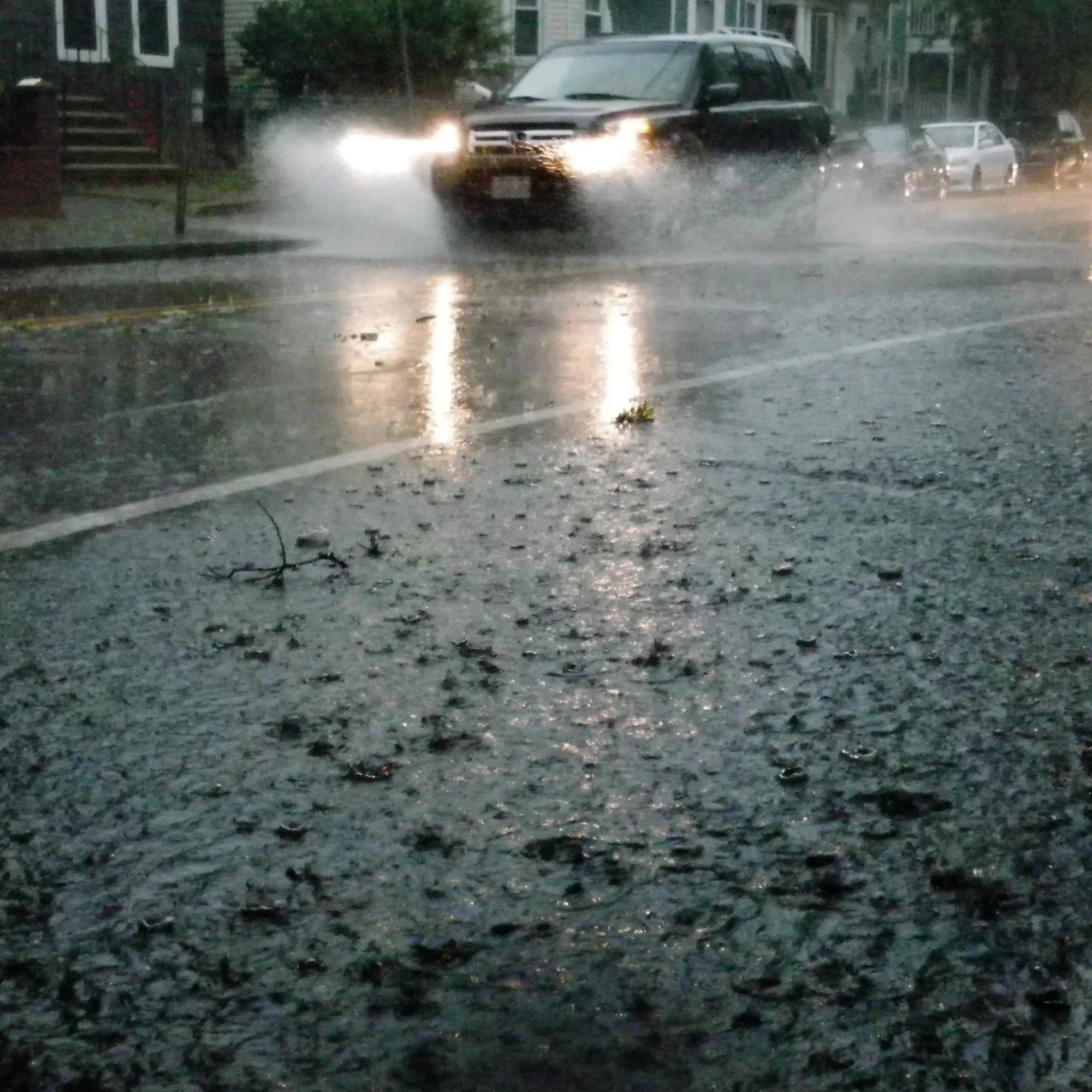
Climate change isn’t coming–it’s here. Outdated infrastructure isn’t invincible and is becoming more frequently overwhelmed by intense rainfall. When this excess rain has nowhere to go, it floods our streets and homes, putting our livelihoods at risk.
In nature, vegetation, wetlands, and healthy soils work together to absorb and slow stormwater before it reaches our rivers and neighborhood. Today, development often disconnects these natural systems with impervious surfaces and pipes, increasing flood risks when aging infrastructure is overwhelmed by heavy rainfall. Restoring rivers, wetlands, and other natural systems can help communities adapt to a changing climate while reducing flooding and improving water quality.
Where have you seen flooding in Milford? Please help us document what you’ve seen in the past, and are seeing now by taking the Community Flooding Survey! This information will help the Town better plan for and reduce flooding where it’s impacting you the most.
It’s time to restore Milford’s degraded ecosystems.
Over time, Milford’s waterways, including the Charles River, and key tributaries, Godfrey Brook and Huckleberry Brook, have been ecologically degraded. Degradation is in part due to the area’s history of industrialization, with segments having been dammed, fragmented, and buried. As a result, they suffer from impaired water quality, habitat loss, and flooding.
In partnership with the Town of Milford, CRWA is working on a Milford Subwatershed Restoration Plan, which aims to improve water quality and habitat conditions in the Upper Charles River Watershed. To achieve these goals, our team identified key sites for feasible, nature-based, restoration projects along the Charles River, Godfrey Brook and Huckleberry Brook. Potential restoration opportunities include bank restoration, bioretention areas, dam removal and culvert replacement and/or repair.
What are Nature-Based Solutions?
Nature-based solutions, like green stormwater infrastructure, bring nature back into our built environment.
These design solutions mimic the natural water cycle to stop runoff from polluting our rivers and flooding our homes. They make our neighborhoods more resilient to climate change, create wildlife habitat, cool our neighborhoods, and beautify public spaces.
Green infrastructure can look like a lot of things—rain gardens, permeable pavement, infiltration chambers (underground flood storage), tree pits—but they all help restore our watershed.

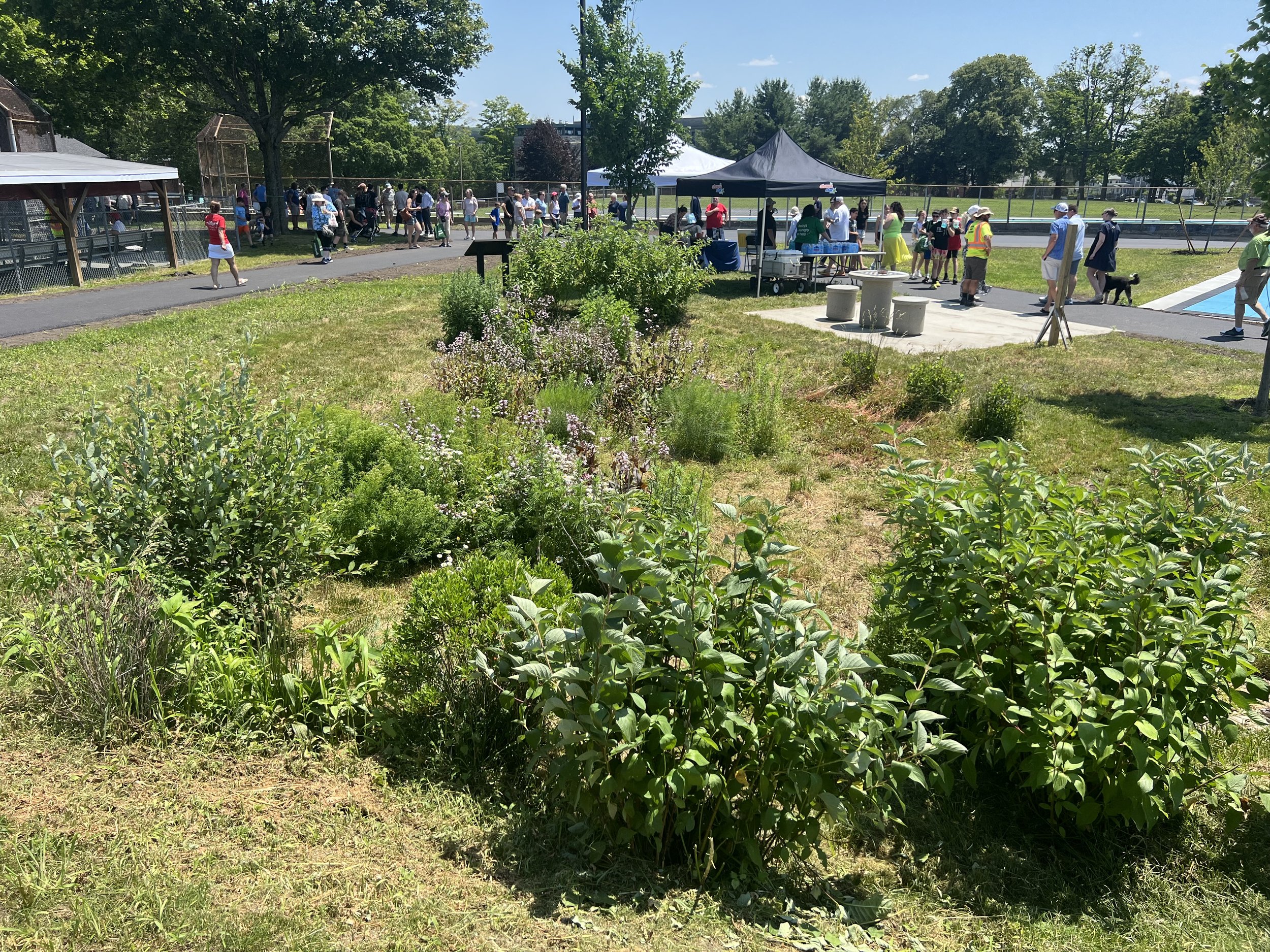

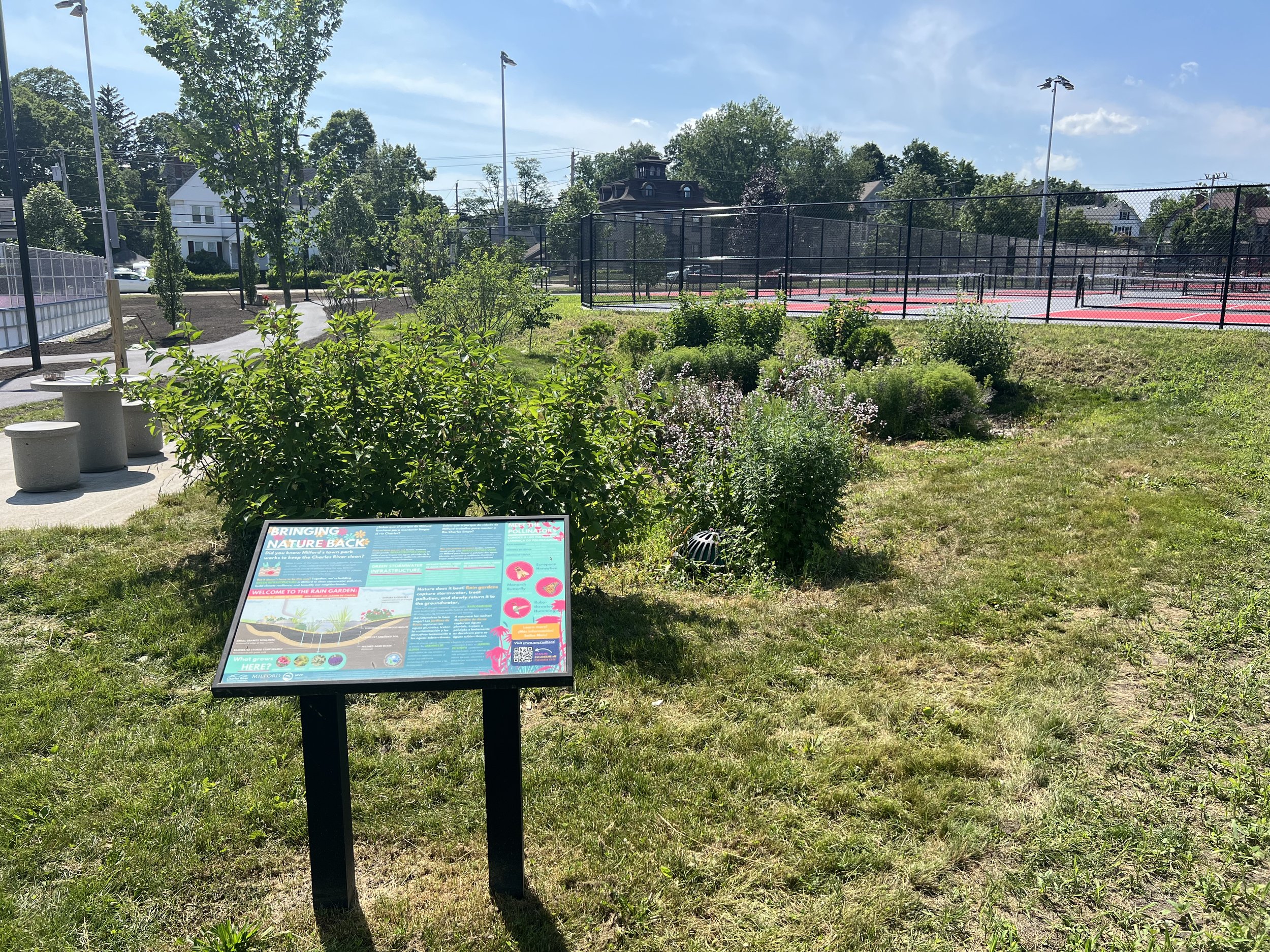


Nature-Based Solutions in Milford:
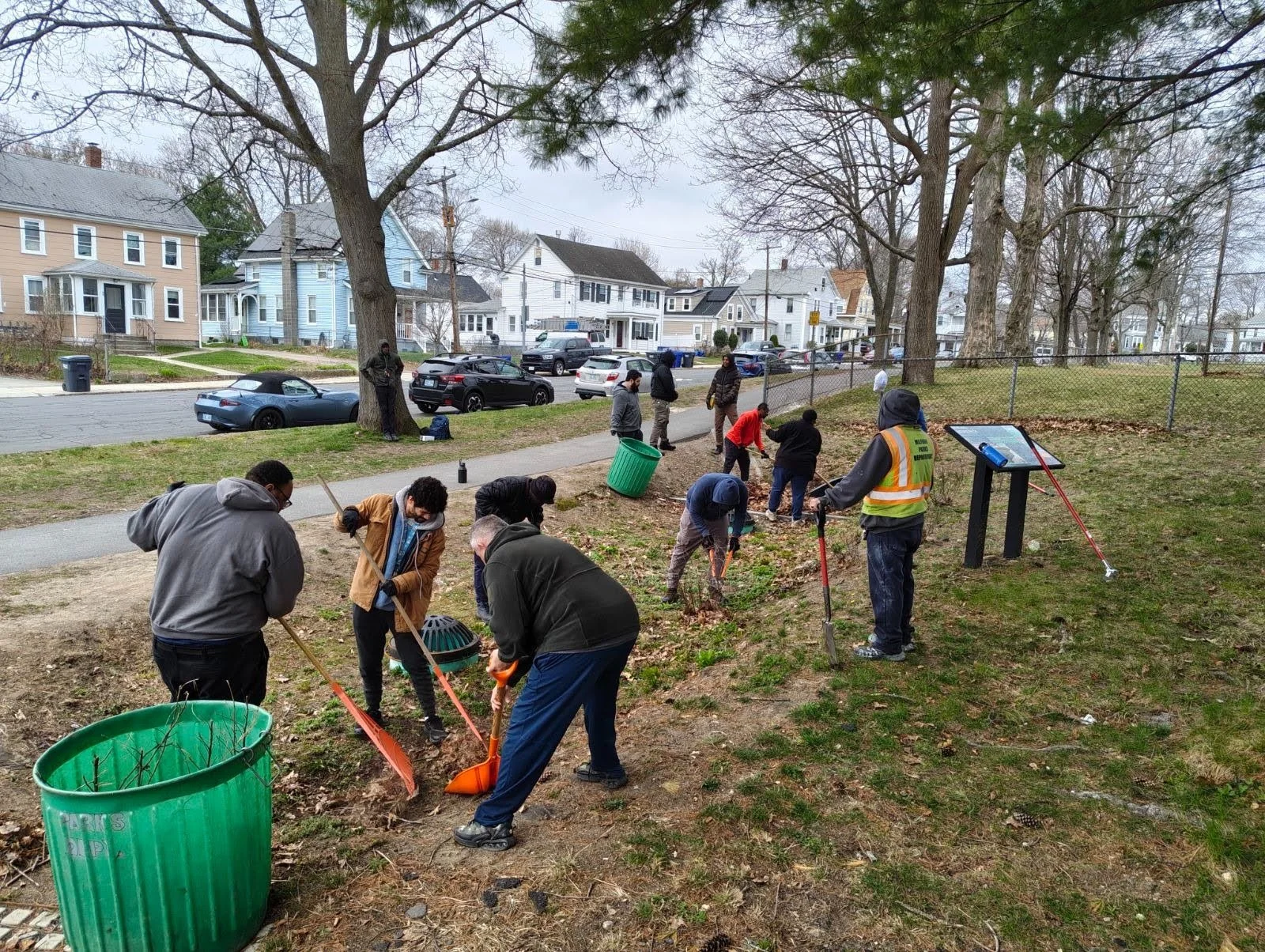
Over the past several years, CRWA, in partnership with the Town of Milford, has constructed Green Stormwater Infrastructure in both Milford Town Park and Fino Field to reduce stormwater pollution and build climate resilience. These nature-based solutions transform our neighborhoods - providing benefits to both our ecosystems and our public health.
With funding from the Municipal Vulnerability Preparedness Program, we worked with the Town of Milford and engineers from Horsley Witten to study, design, and construct two rain gardens and an infiltration chamber in the heart of Milford. The rain gardens, which are filled with drought-resilient native plants, build biodiversity, create wildlife habitats, and beautify our parks, all while reducing nutrient pollution and flooding.
Based on the Milford Subwatershed Restoration Study completed in 2020, the interventions will restore this vital park, protect the Charles River from stormwater pollution, and create resilience in an especially climate-vulnerable, environmental justice neighborhood.
Ongoing Timeline
2020: Milford Pond Subwatershed Restoration Study
This study aimed to help the Town of Milford prepare for watershed-related environmental challenges by identifying opportunities to infiltrate stormwater runoff, proposing stormwater treatment systems, prioritizing key natural areas for protection, and identifying strategies to help the Town adapt to flooding, increased temperatures, and drought.
2023: Town Park Rain Garden & Infiltration Chamber Implementation
Milford Town Park installed two rain gardens, and an infiltration chamber, to capture stormwater, filter out pollution, and reduce flooding, slowly returning water to the ground to improve previously low groundwater levels and support an adequate drinking water supply for residents.
2025: Fino Field Infiltration Chamber Implementation
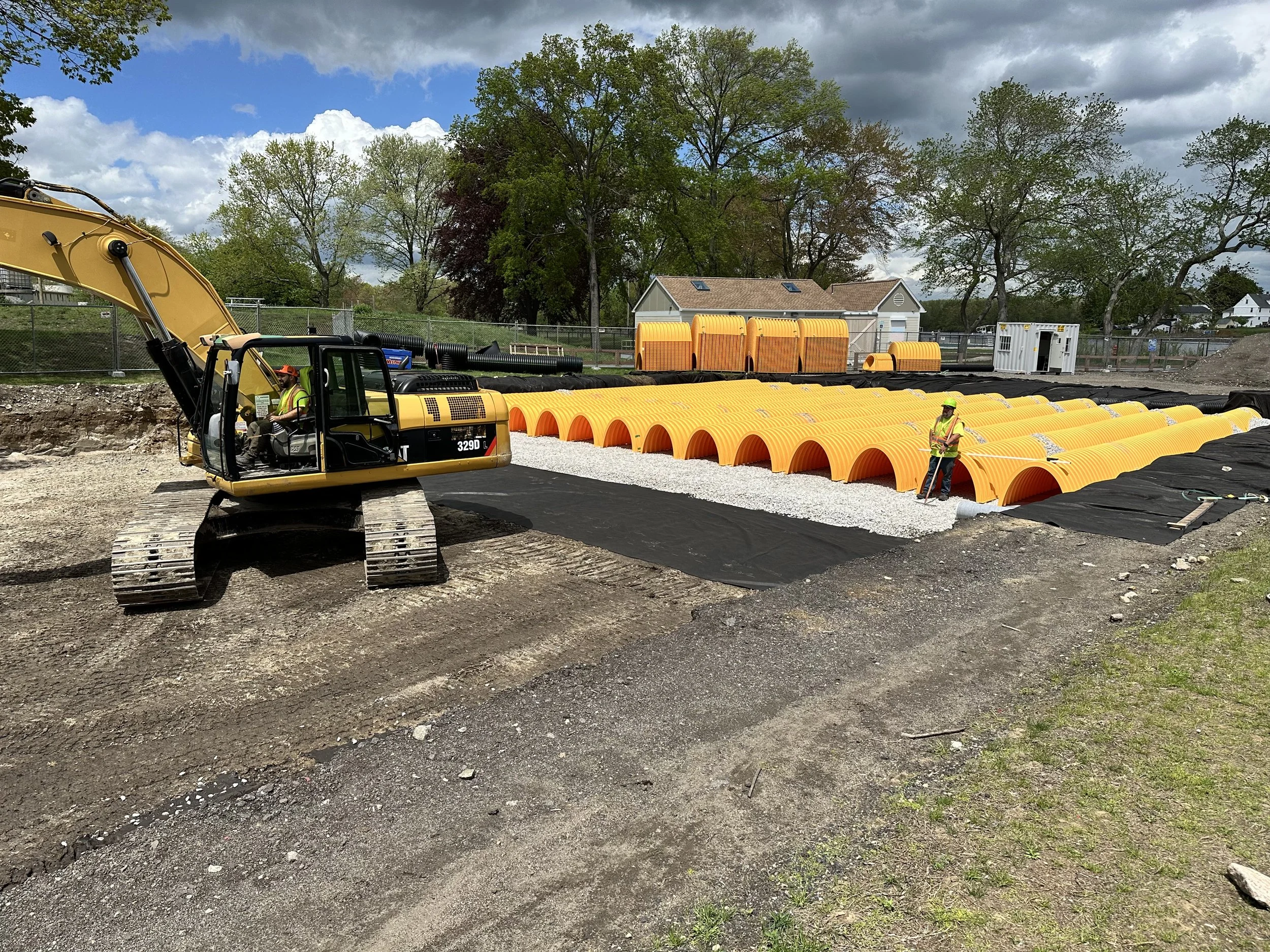
After the installation of a sub-surface infiltration chamber, stormwater from Walnut Street now flows beneath the Upper Charles Rail Trail through an underground particle separator, which filters out sediment, into 12 rows of chambers and washed gravel beneath a public parking lot. This infiltration basin holds stormwater runoff and slowly releases it into the earth, rather than allowing it to flow, unfiltered, directly into Godfrey Brook.
2026: Ongoing Work
-
These plans are aimed at addressing flooding impacts to the neighborhood near Godfrey Brook. The plan identifies Green Stormwater Infrastructure sites where drainage areas can be improved to increase groundwater recharge and reduce untreated runoff into rivers, streams, and ponds. Learn more by exploring the Godfrey Brook StoryMap. This work will continue through FY27, with continued funding from the Municipal Vulnerability Preparedness Program.
-
Creating a Subwatershed Restoration Plan which identified additional restoration opportunities throughout 9.1 square miles within Milford. Recommendations may result in the reconnection of up to 6 miles of streams and rivers, restoration of 750 acres of wetland and floodplain habitat, reduction in annual phosphorus loading to the river by 50%, and recharging of approximately 1,200 million gallons of groundwater each year. See a breakdown of this plan in English, Spanish, and Portuguese.
-
Identifying and designing additional sites where stormwater drainage areas can be improved to increase groundwater recharge and reduce untreated runoff into rivers, streams, and ponds.
As part of the Charles River Flood Model, Tank Field, a small recreational field at the base of a hill along Congress St., was selected as a priority site for identifying and modeling flood mitigation solutions. Proposed solutions aim to effectively manage stormwater runoff from north of the field and from Congress St. by improving stream storage, adding green stormwater infrastructure around and below the field, and managing invasive species to improve habitat. Model analysis shows that implementing the solutions would create 600,000 gallons of flood storage at the field and fully mitigate future flooding from a 2070 2-year and 10-year storm in its subwatershed.
FINO FIELD:
When you walk through Fino Field, beneath your feet is an underground storage tank that collects stormwater, filters out pollution, and slowly returns it to the groundwater. This nature-based solution helps restore clean, healthy rivers and protect our homes from flooding in extreme weather while still allowing community members to use the area as a field or a parking lot.
Infiltration chambers also make our watershed more resilient to drought. Together, these systems are estimated to return the equivalent of 136 concrete mixer trucks to the groundwater annually, which will help replenish streams and protect our public water supplies.


MILFORD TOWN PARK:
Milford Town Park also has two rain gardens that capture stormwater, filter out pollution, and slowly return it to the groundwater.
Filled with drought-resistant native plants, rain gardens also build biodiversity, create wildlife habitats, and beautify our parks, all while reducing nutrient pollution and flooding.
These nature-based solutions transform our neighborhoods—providing many public health.
GODFREY BROOK:
Through a Municipal Vulnerability Preparedness (MVP) grant, CRWA partnered with the Town of Milford and Woodard & Curran to investigate flooding, stormwater runoff, and potential green infrastructure solutions throughout the subwatershed.
The Godfrey Brook StoryMap, published Friday, June 26th, covers the research, field assessments, and community engagement conducted over the past year. It also explores the ecological importance of Godfrey Brook, a headwater stream that provides critical habitat, water quality benefits, and flood mitigation services for downstream ecosystems within the Charles River watershed.
Guided by Milford’s Community
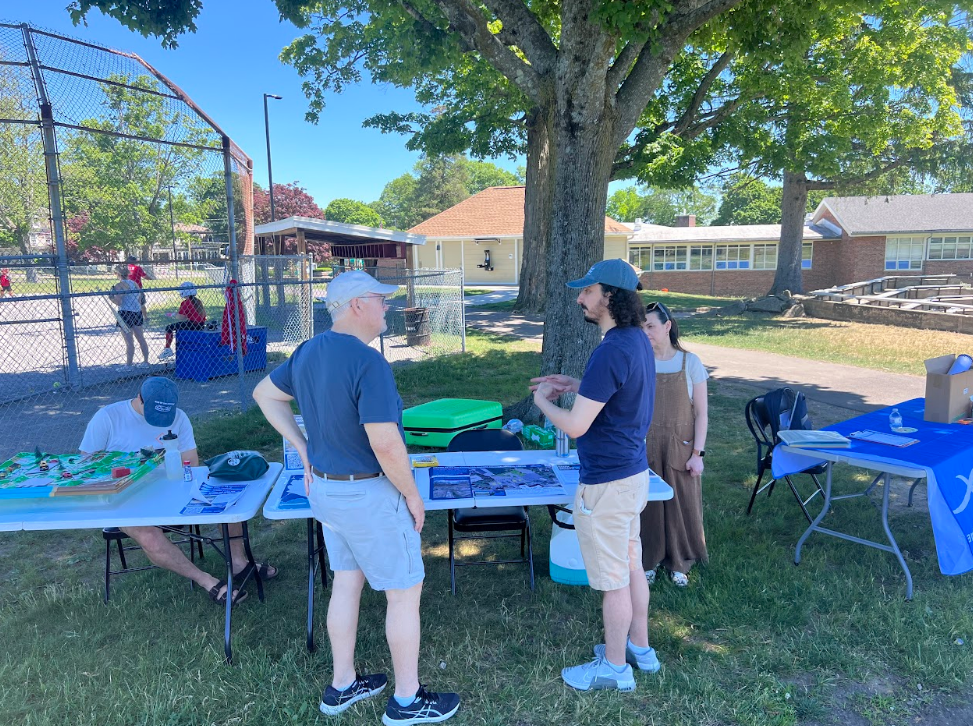
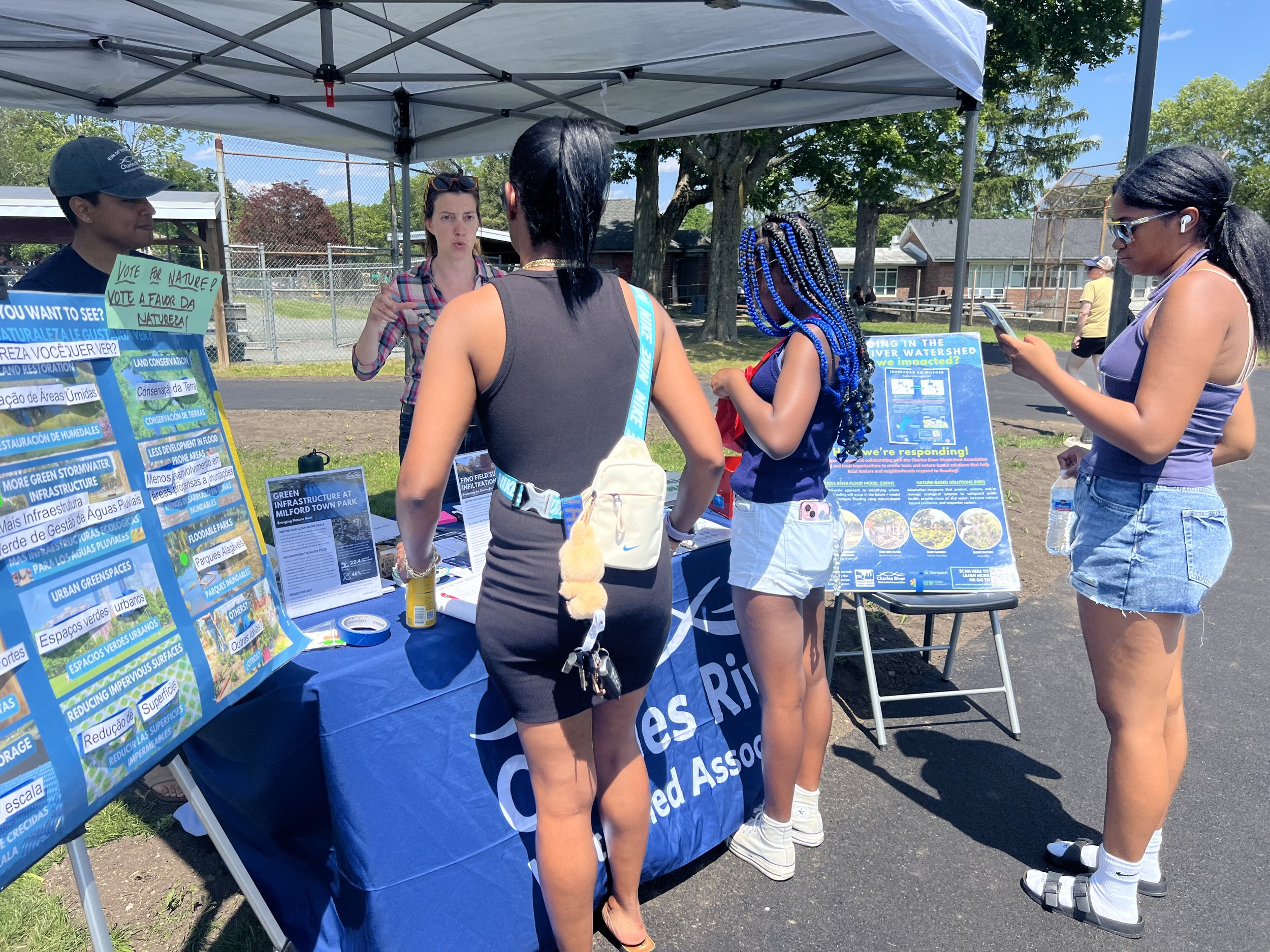
We have spoken to hundreds of community members in Milford. CRWA has joined the community at local events, schools, community centers, and libraries. We have shared fliers, hosted site walks, and even taught in Milford classrooms!
This extensive outreach, in multiple languages, has directly shaped the Town’s plans for new projects and led our team to new priority locations. CRWA looks forward to continued engagement with Milford’s community as we work to complete ongoing work and kick-start future projects.
We encourage you to get involved as we work to bring nature back to your community by following our work and engaging with future events.


Together, we are committed to improving Milford’s local watershed to enhance biodiversity, improve water quality, increase groundwater supplies, and reduce flooding, in partnership with and on behalf of the community.
See the full plan here or learn more below!
Recent News