3rd Annual Herring Festival, Anticipating Dam Removal
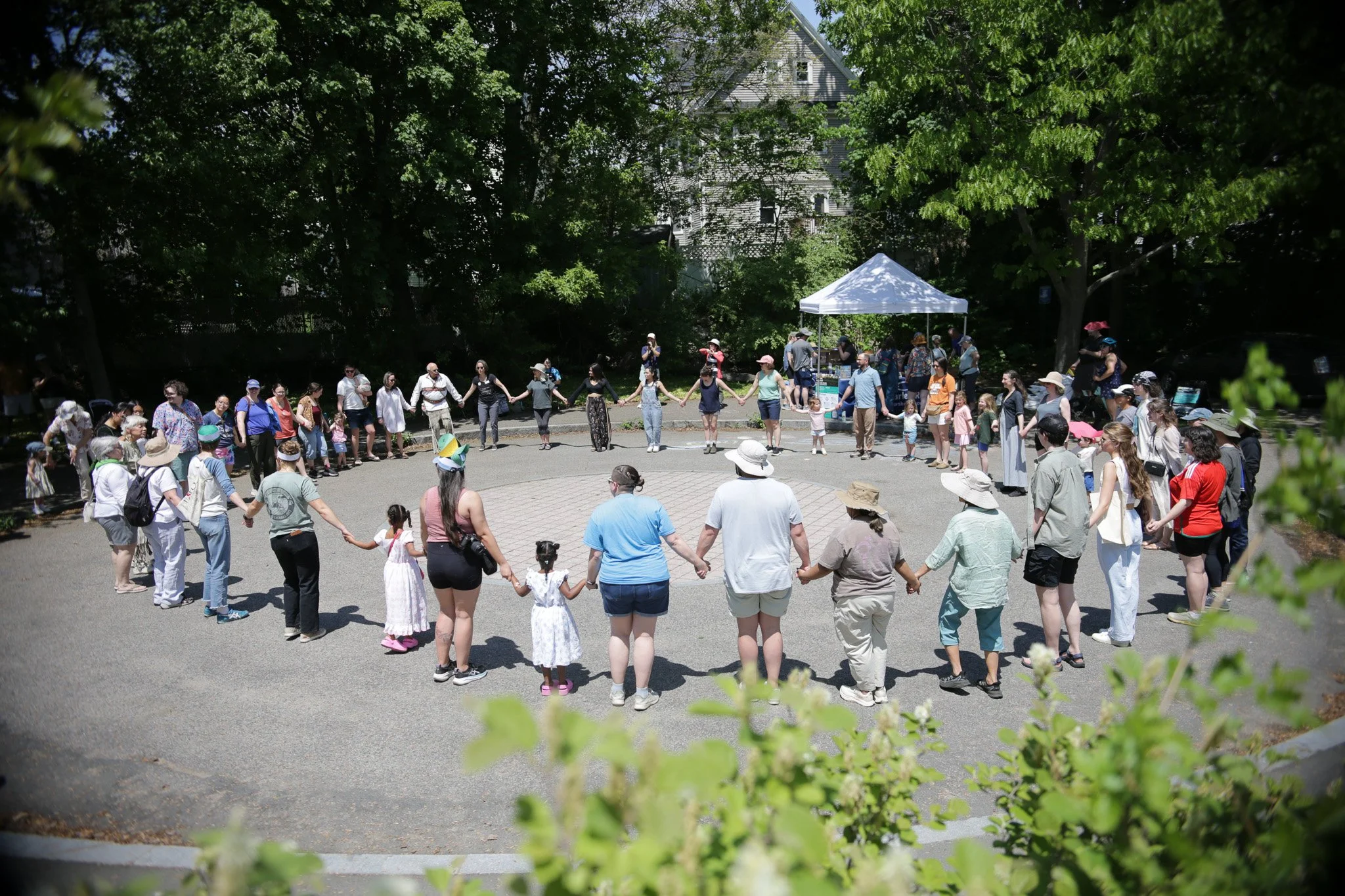
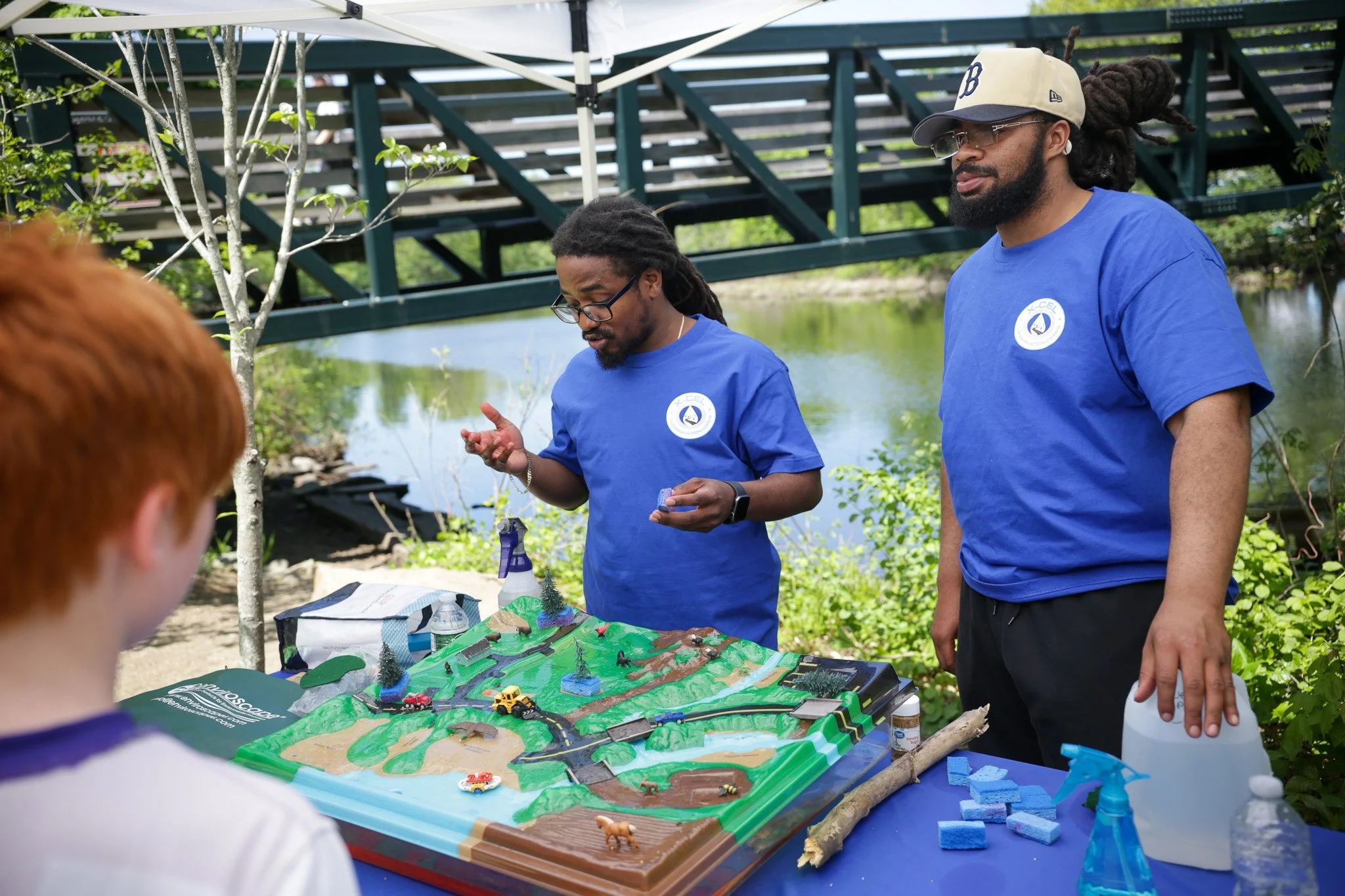
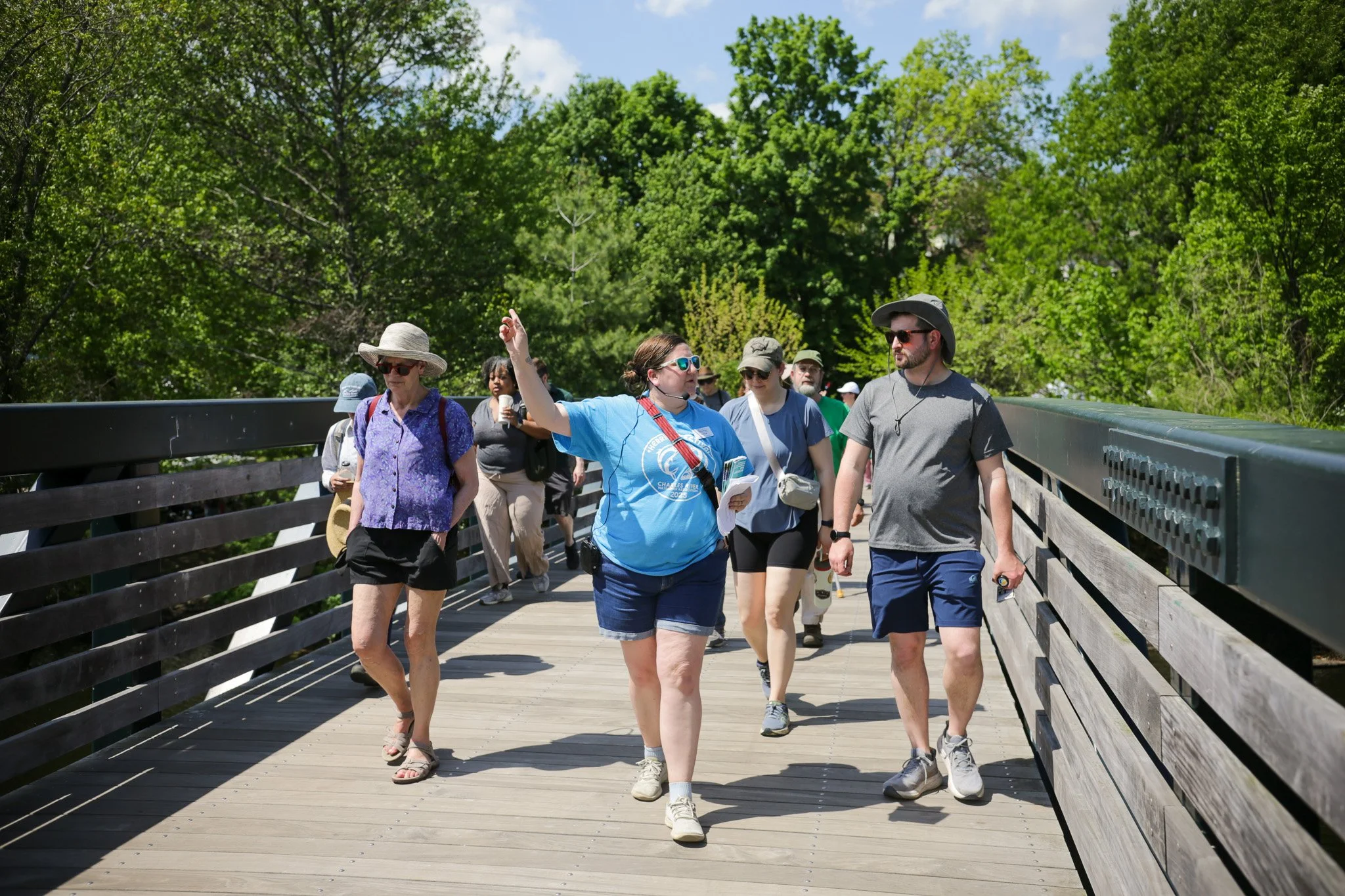
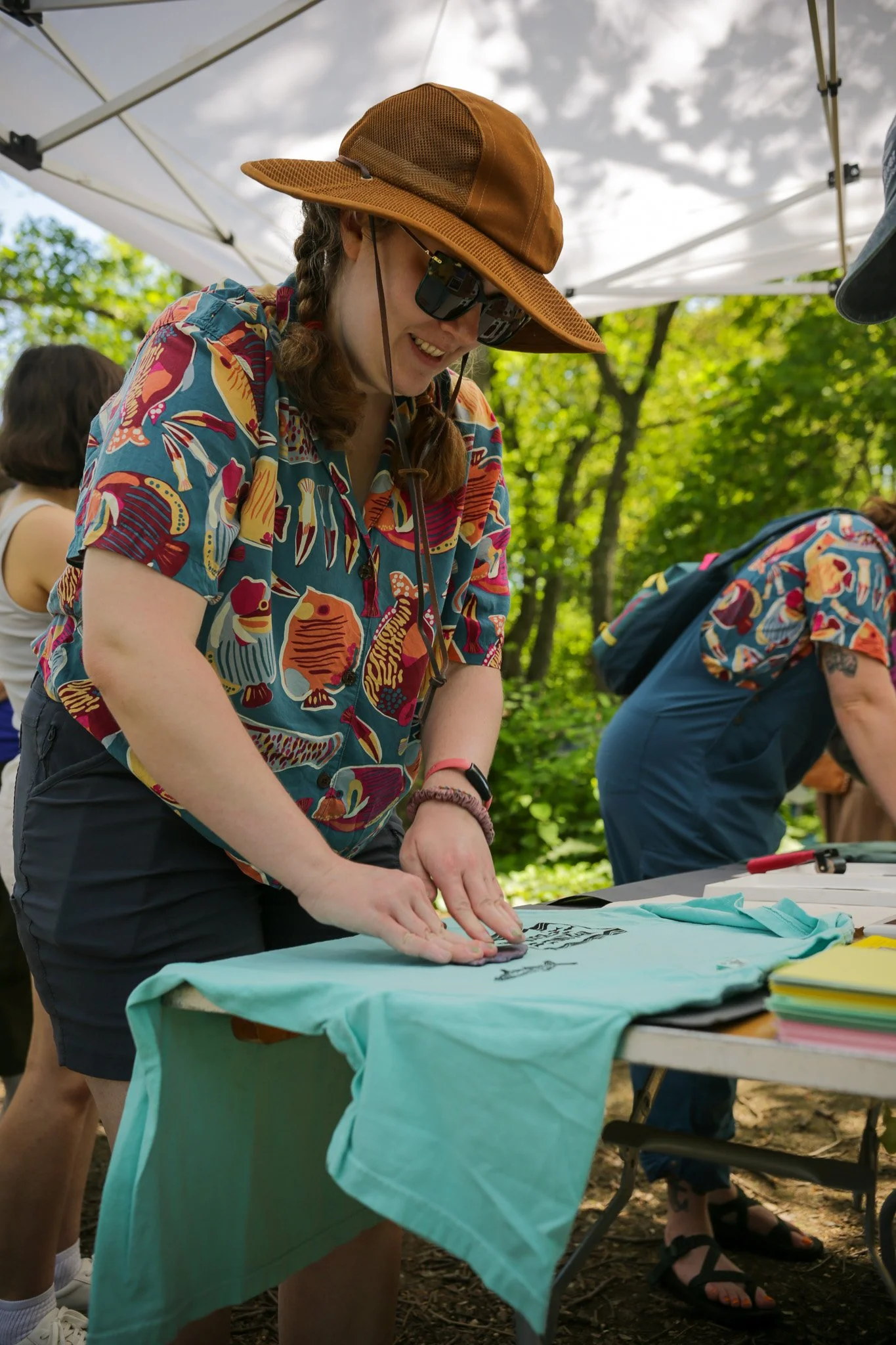
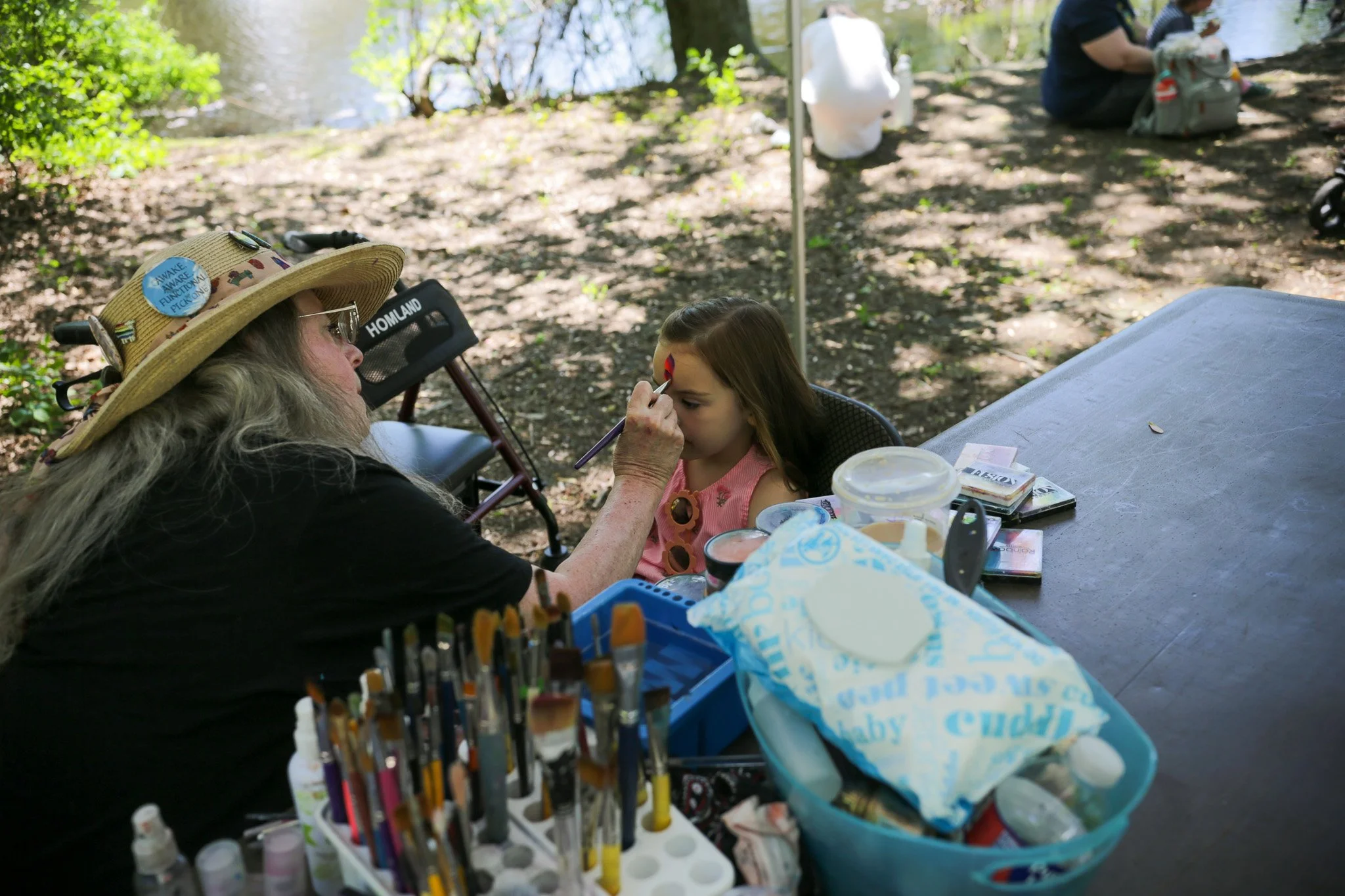
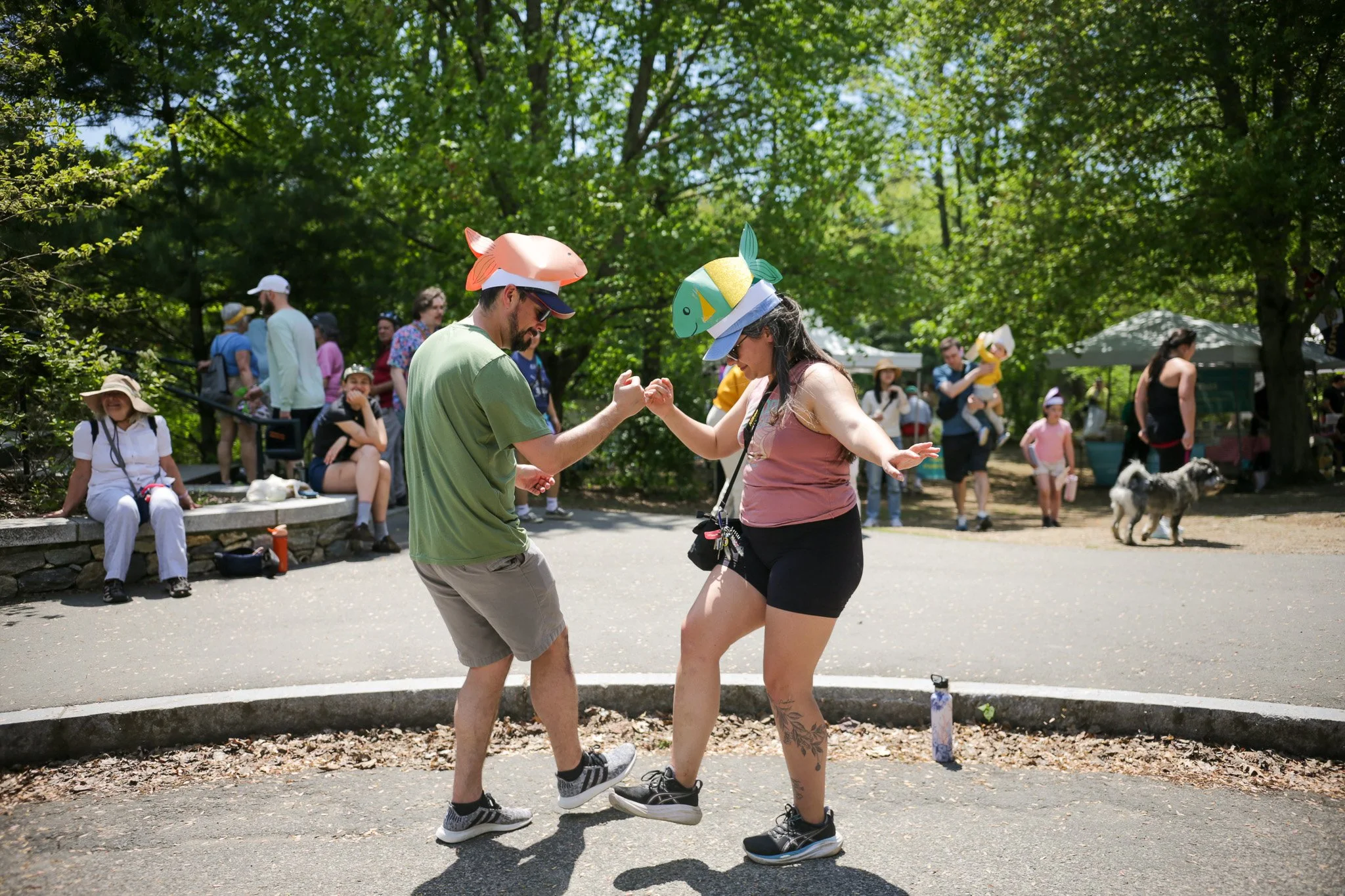
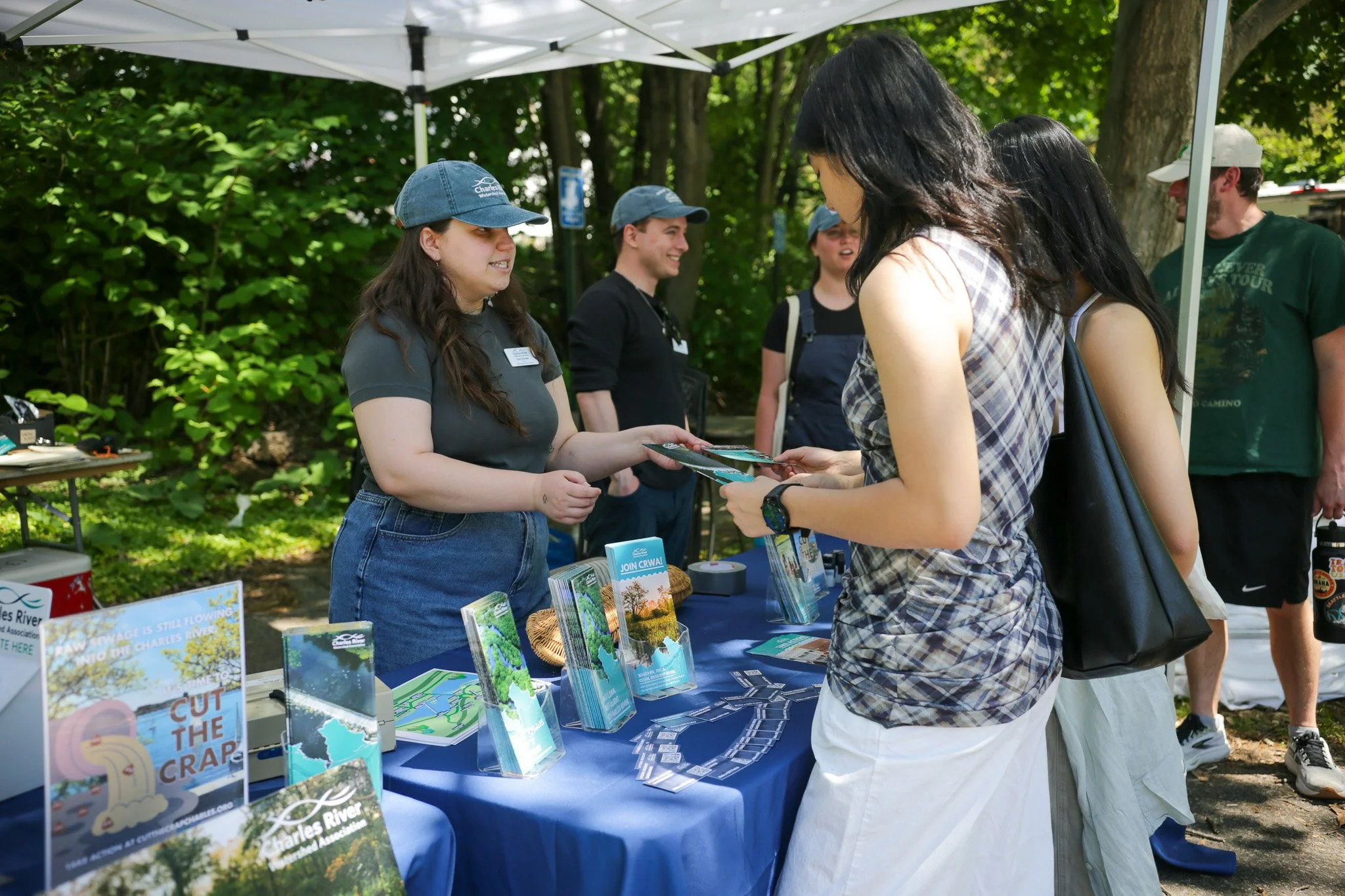
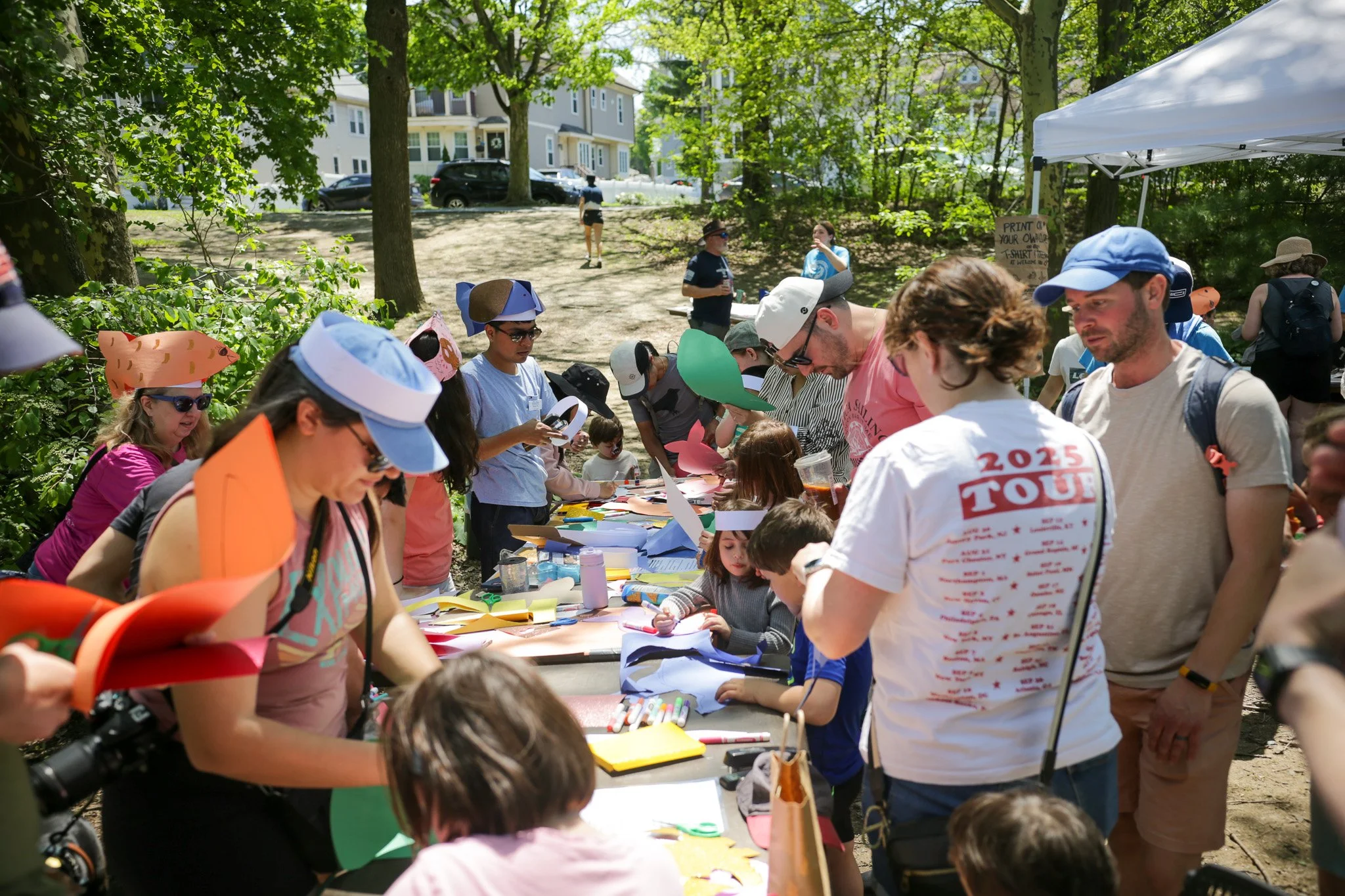
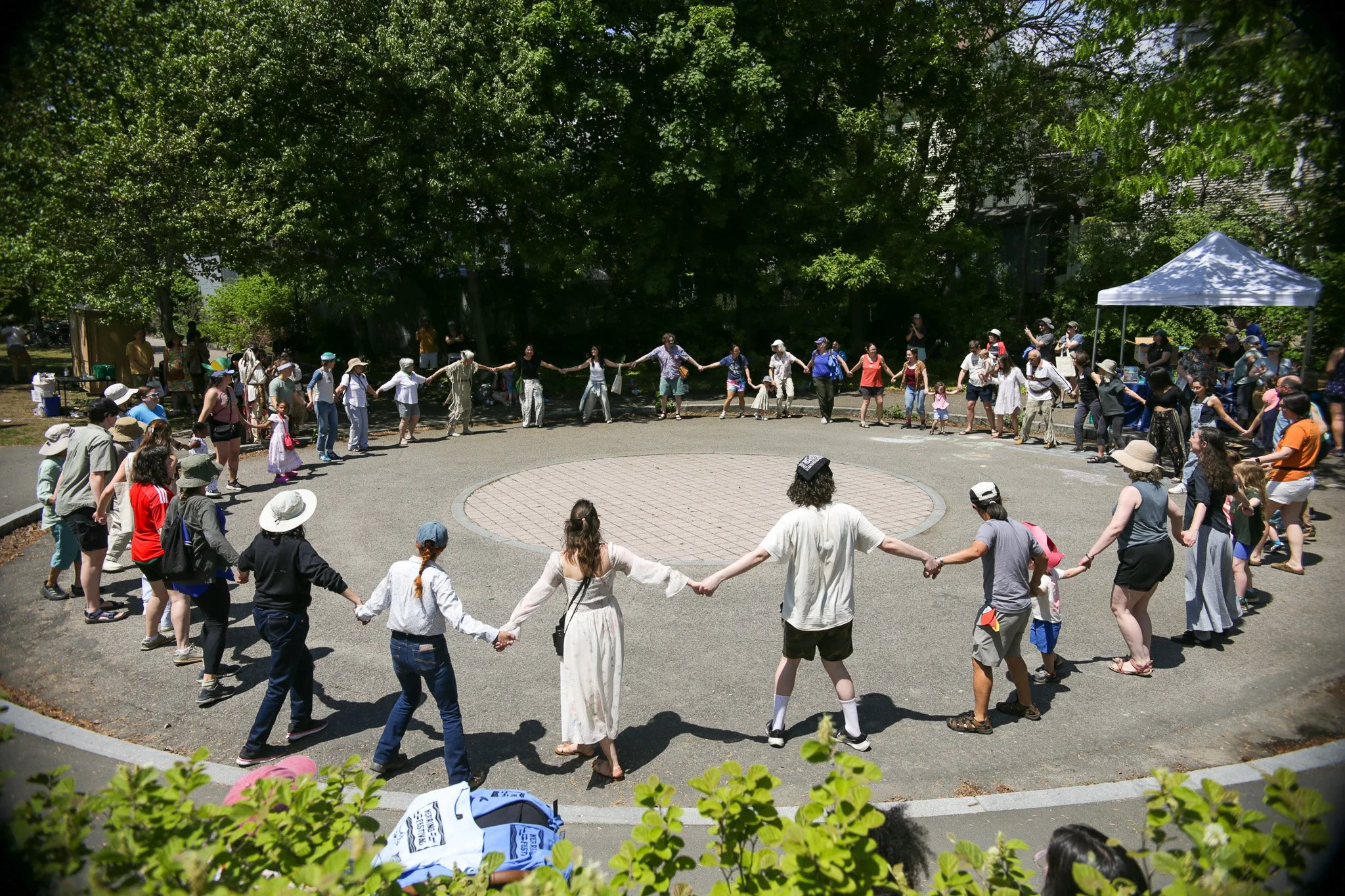
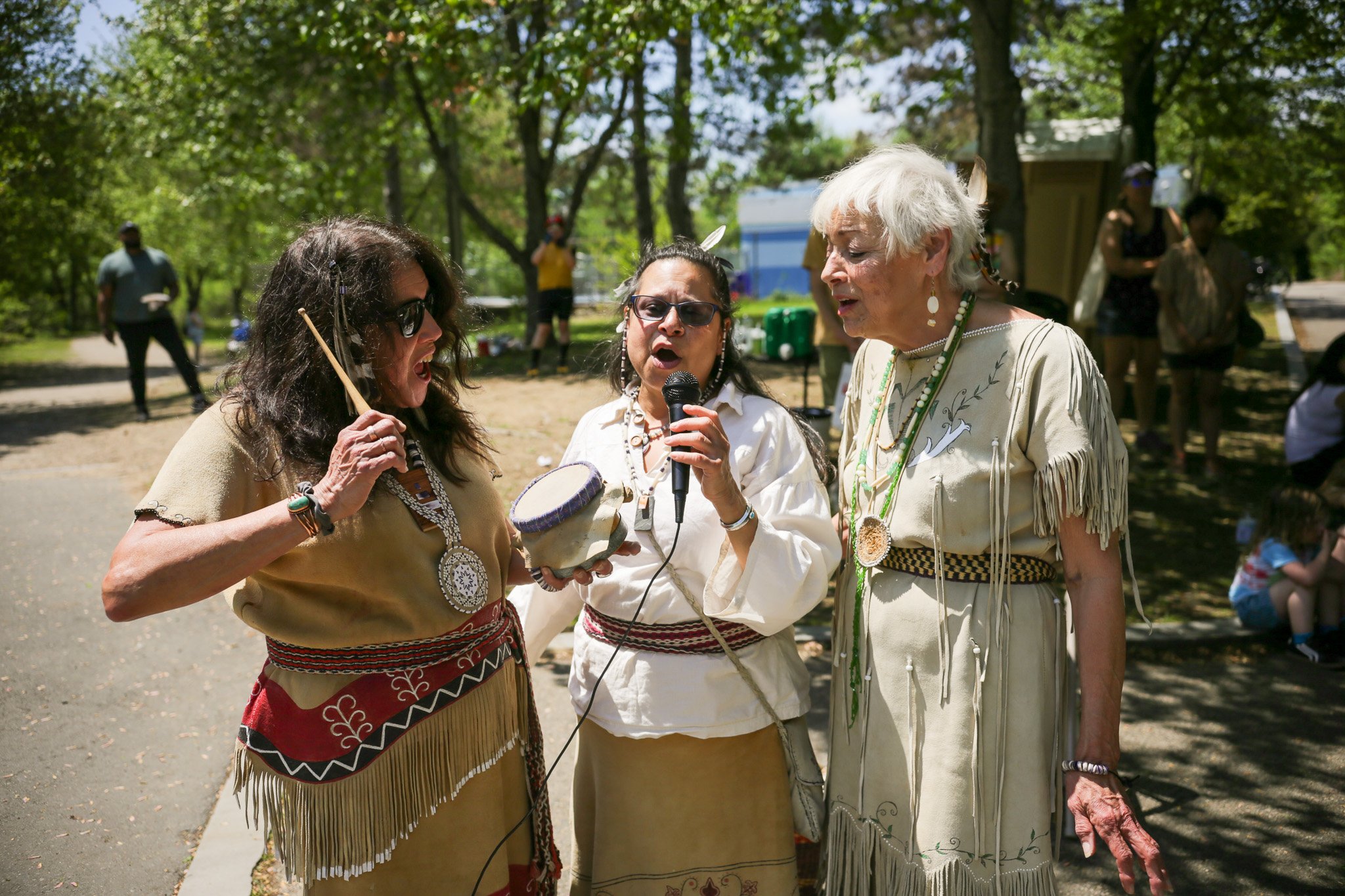
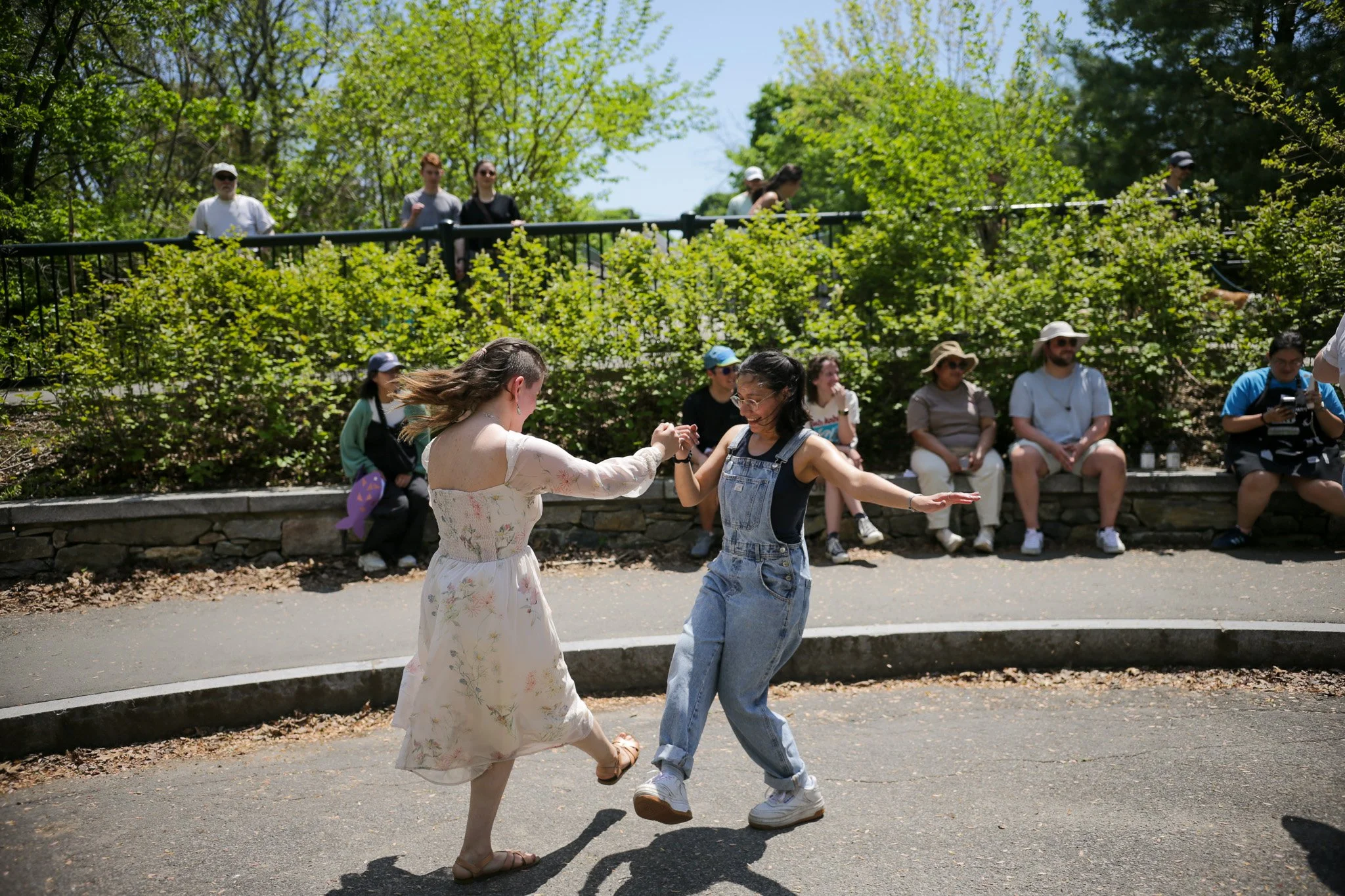
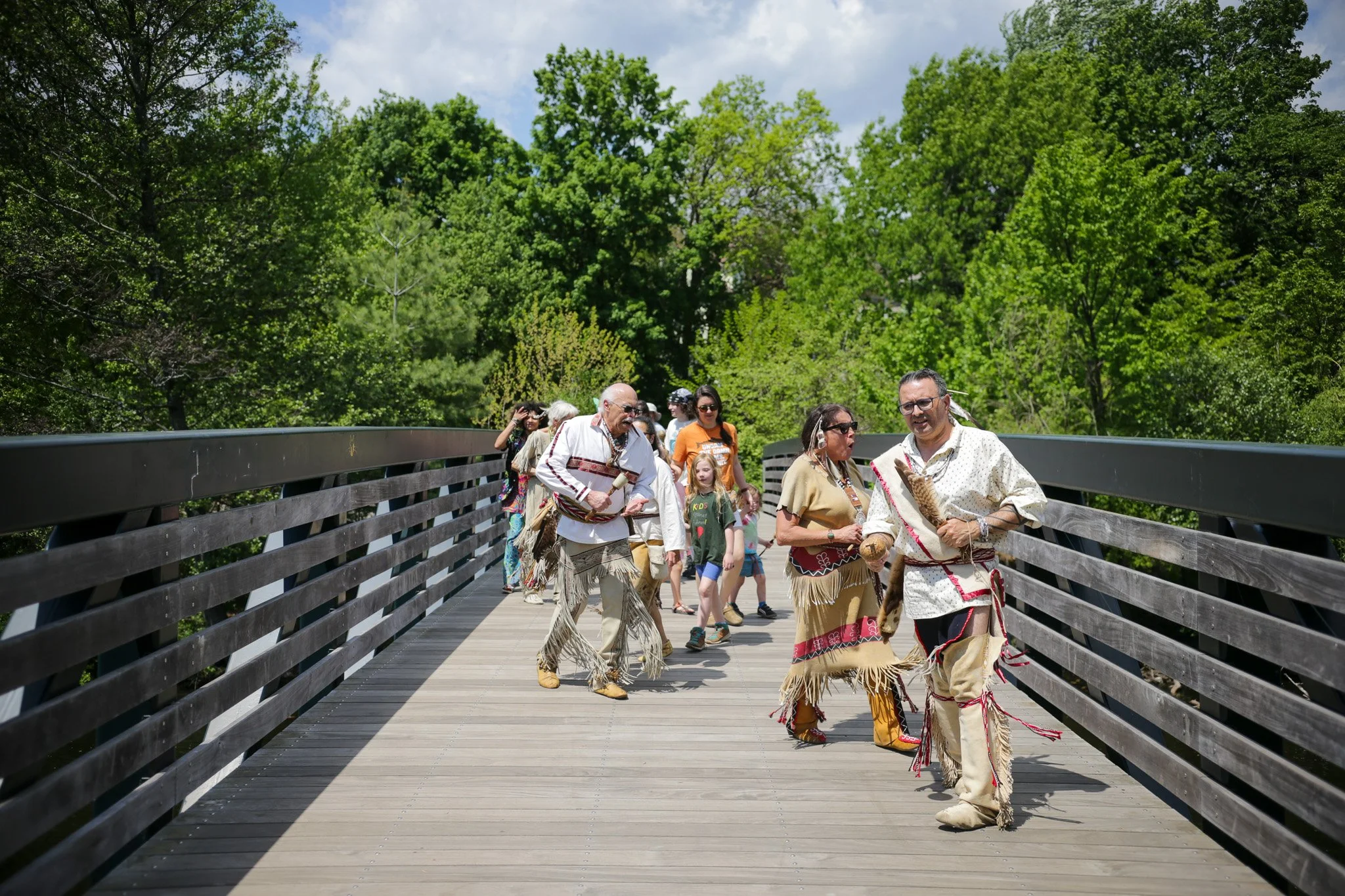
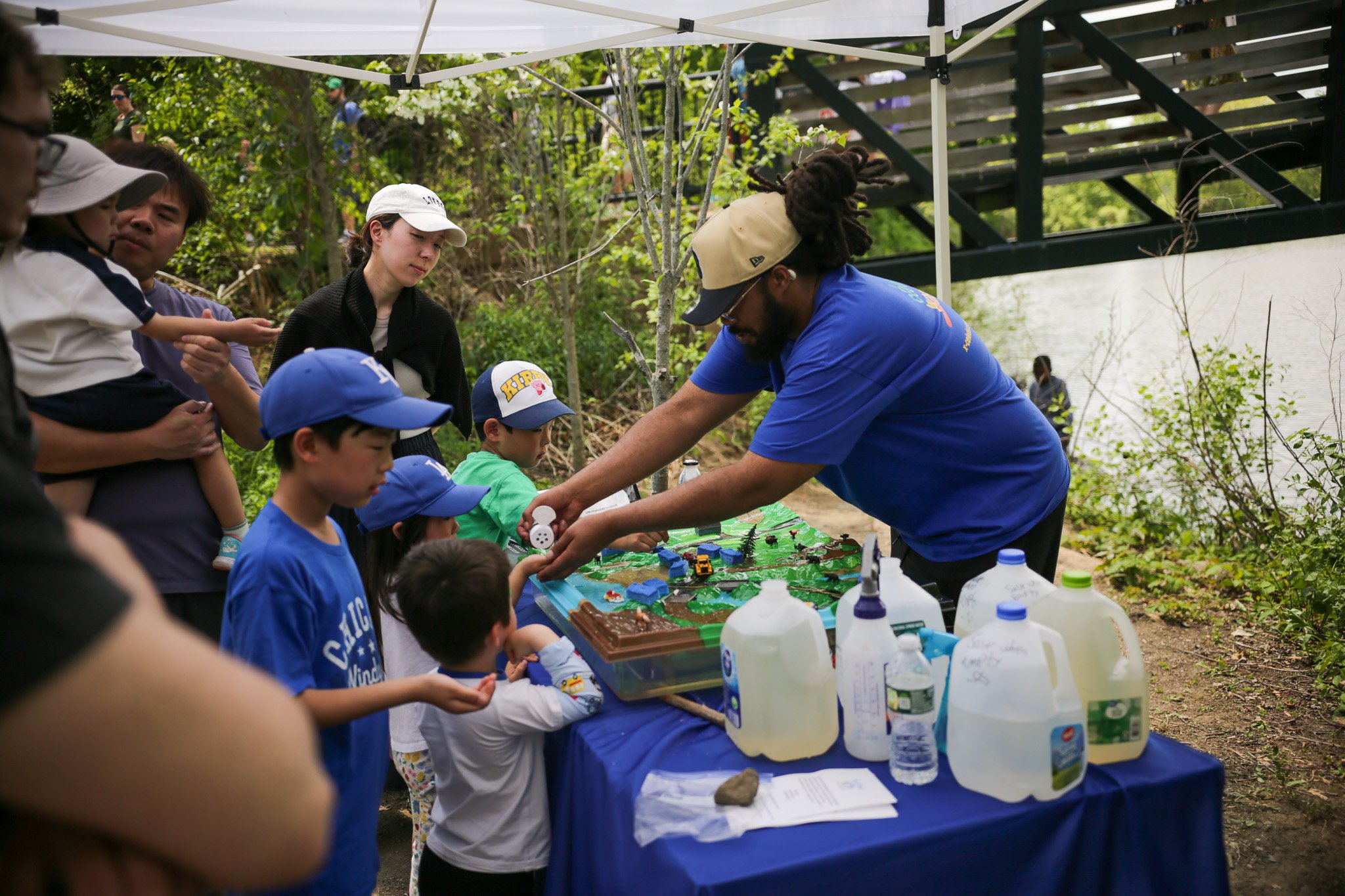
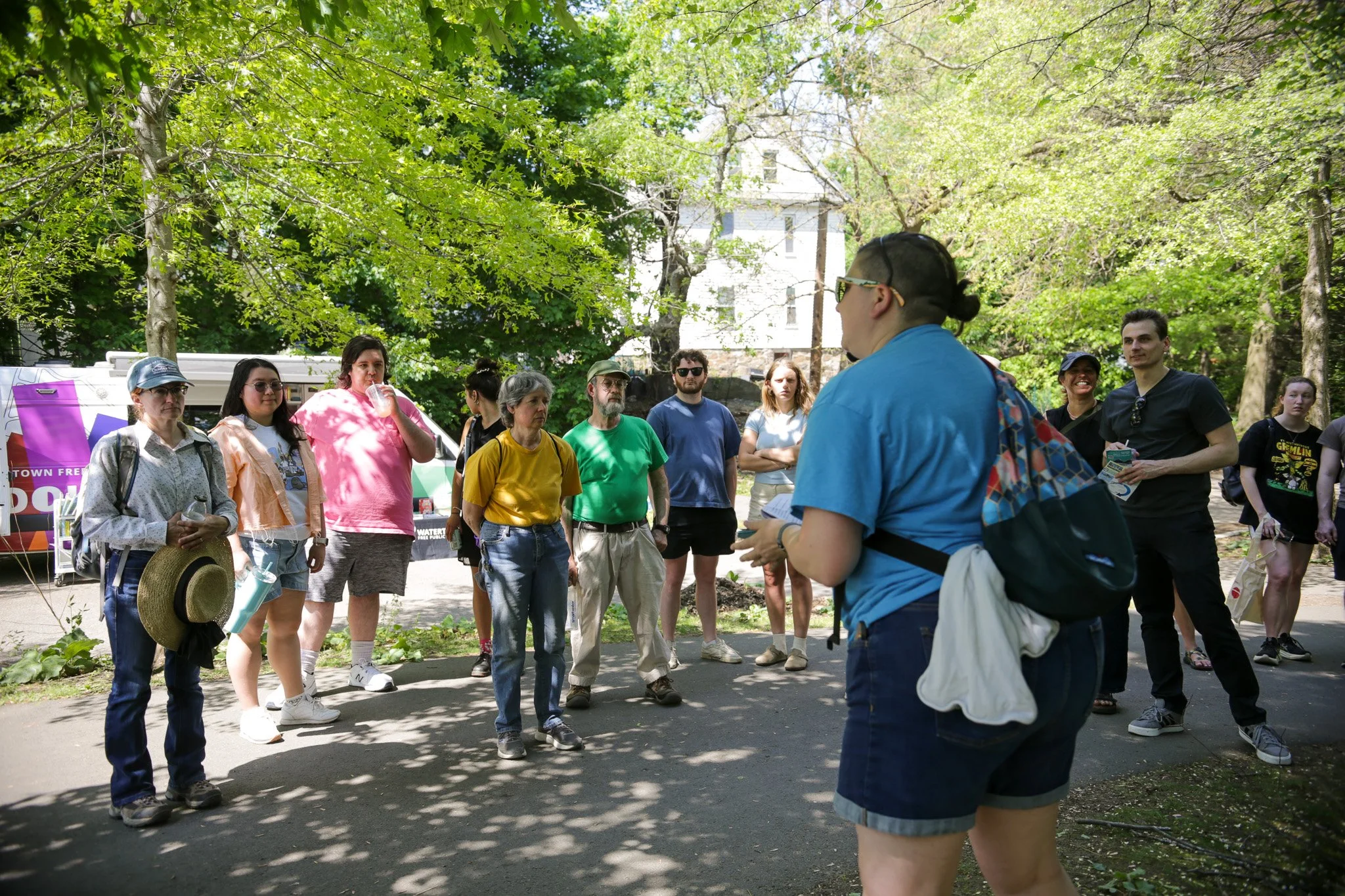
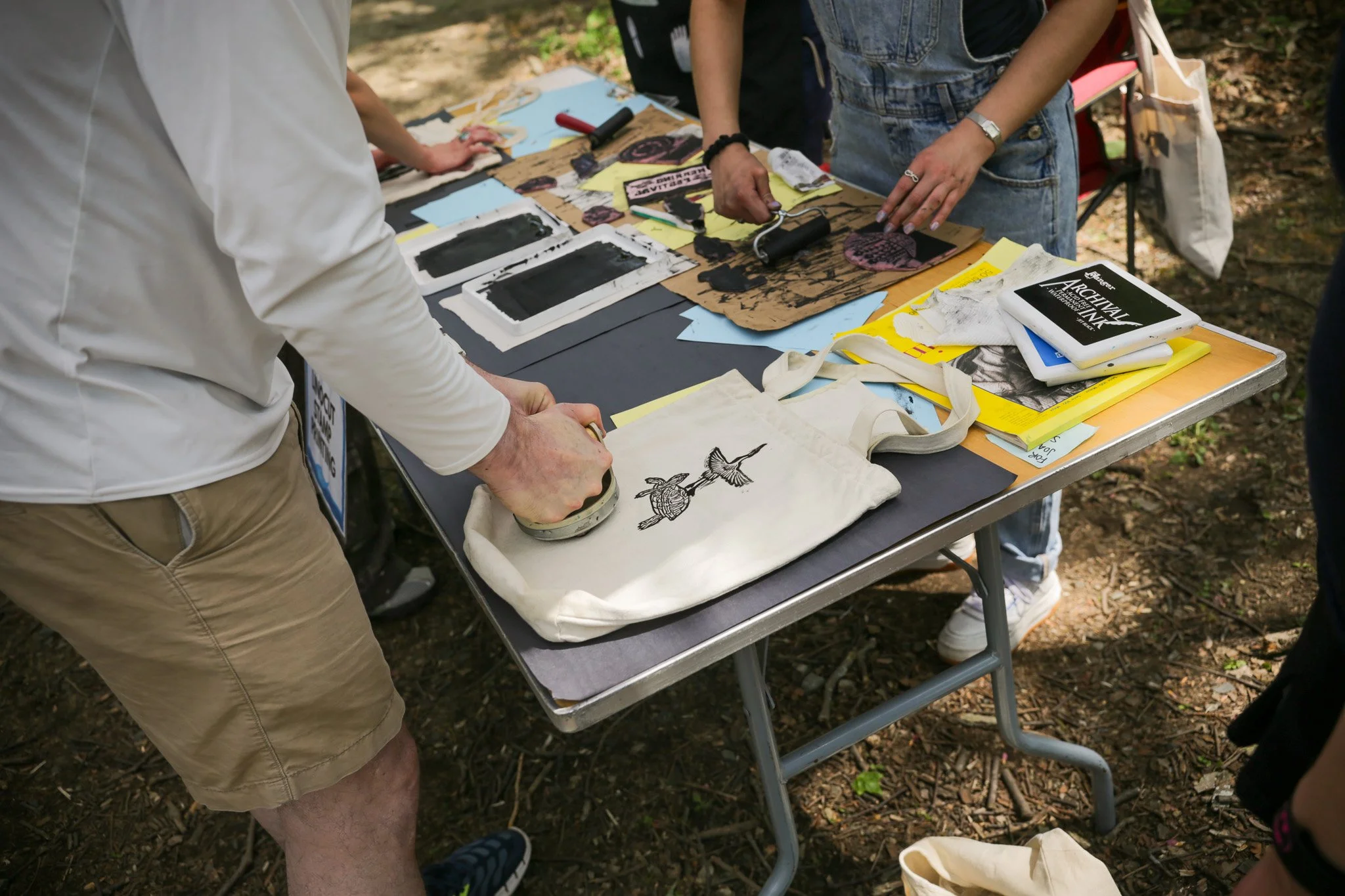
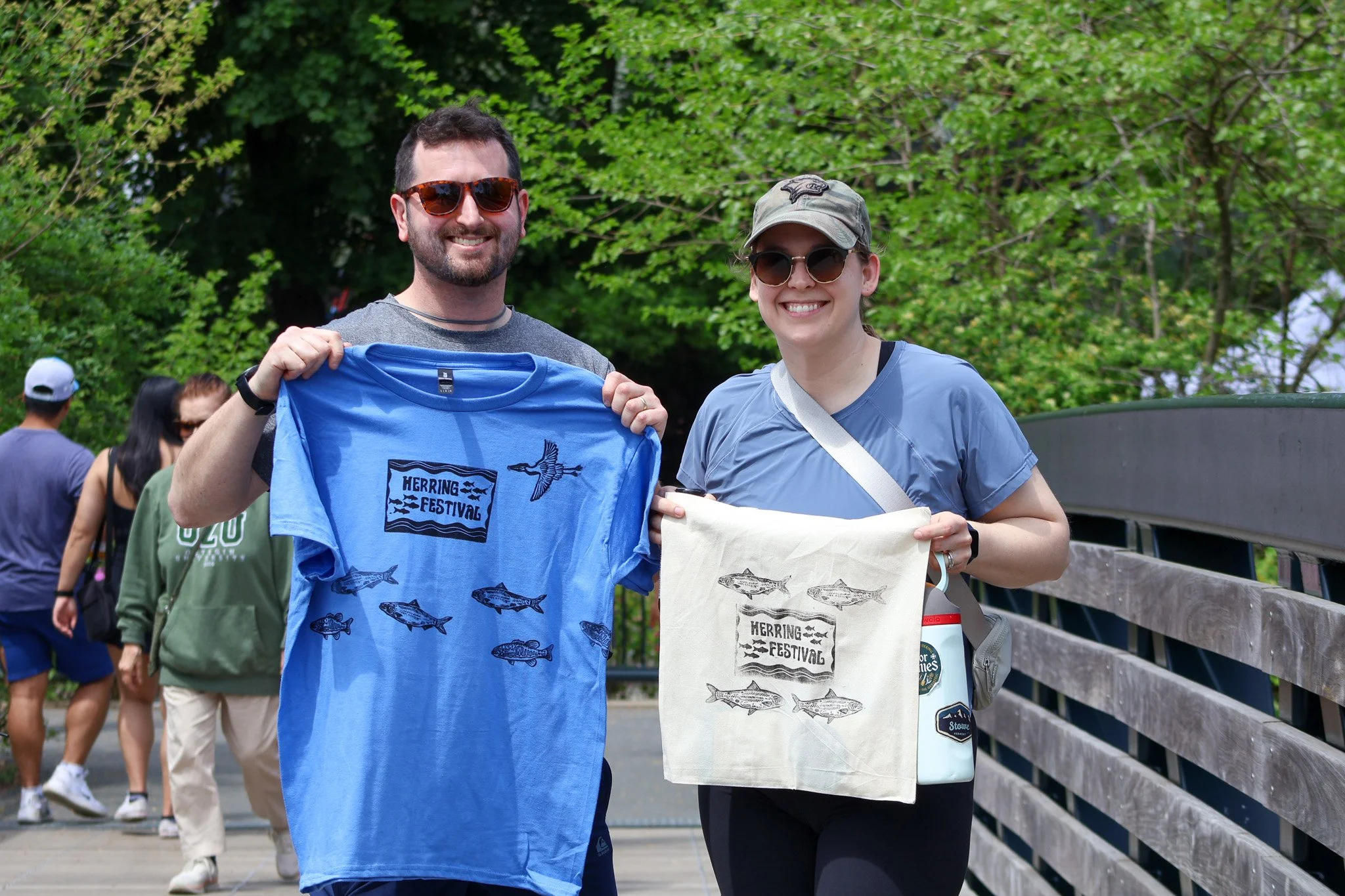
On May 17, 2026, we were joined by hundreds of community members, Rep. Steve Owens, Rep. John Lawn, and members from the Wampanoag Nation to celebrate the annual spring migration of herring into the Charles River to spawn. From stamp printing to fly casting demos to fish hat making to dancing with the Wampanoag Singers and Dancers, there was something for everyone.
Before colonization, the Charles River (originally the Quinobequin) flowed freely, and Indigenous Massachusett, Nipmuc, and Wampanoag ancestors relied on its abundant migratory fish, maintaining a productive fish weir in what is now Watertown. In 1632, Gov. Winthrop granted colonists the right to build their own fish weir and prevented Indigenous people from using it.
In 1634, the weir was replaced with a stone dam, and a dam has remained on the river ever since.
Today, the Watertown Dam serves no purpose for power or flood control, and harms the river ecology by blocking fish passage, trapping sediment, depleting oxygen levels, and fostering invasive plant growth. While there is a fish ladder at the Watertown Dam, it does not work for all species - SEE VIDEO BELOW of herring failing to navigate to the ladder, attempting to traverse the dam, and failing. Six months ago, the consultant for the dam owner, Mass Dept of Conservation & Recreation (DCR), recommended full removal. We continue to apply pressure on DCR to carry out this recommendation.