
Celebrating Black History Month
Now more than ever, it is important to celebrate and uplift Black history, Black stories, and Black joy in our watershed and beyond. Since the environmental movement's inception, Black scientists, leaders, and activists have played pivotal roles. February isn’t just a time to celebrate Black history; it’s also a time to uplift Black futures by highlighting contemporary voices.
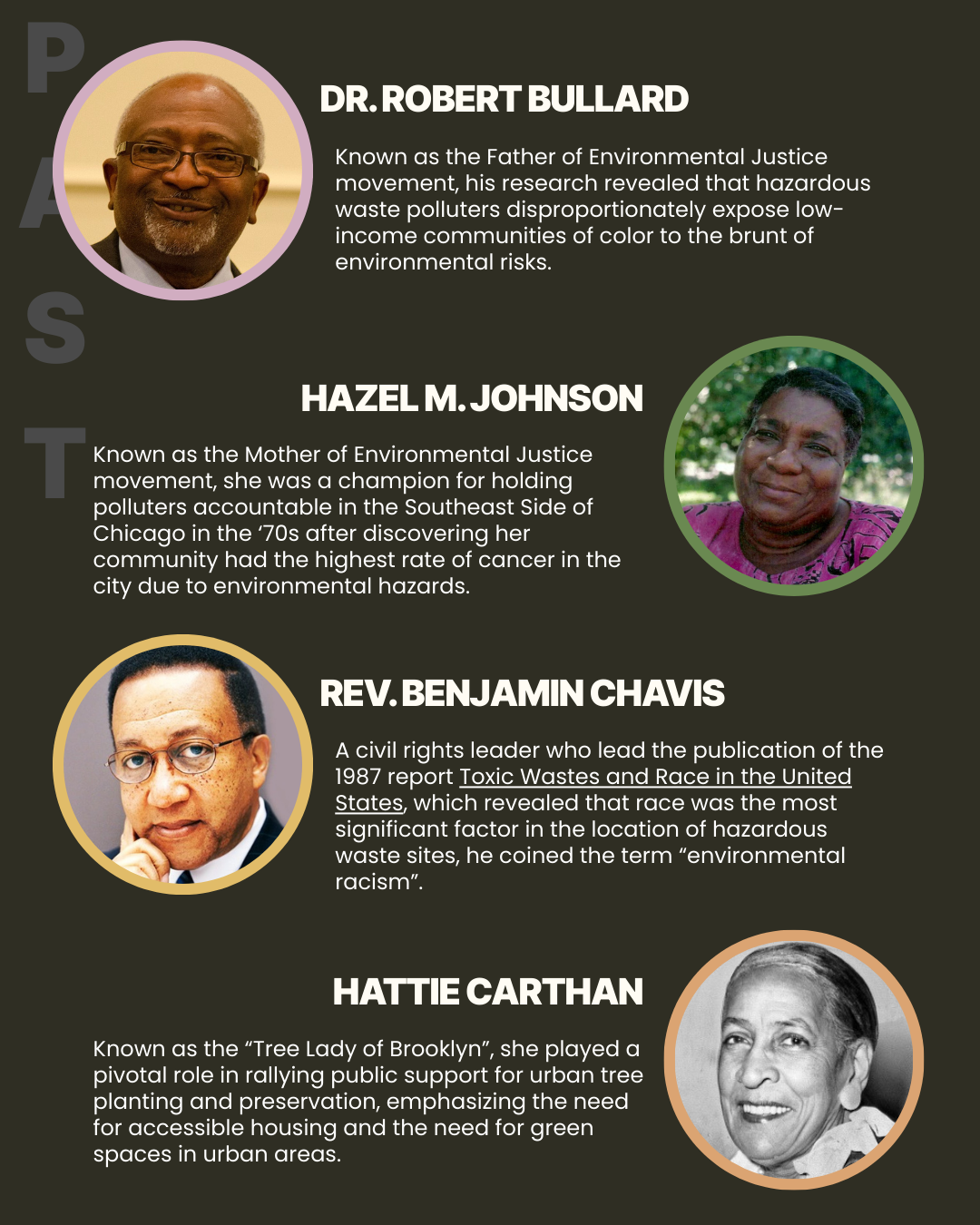
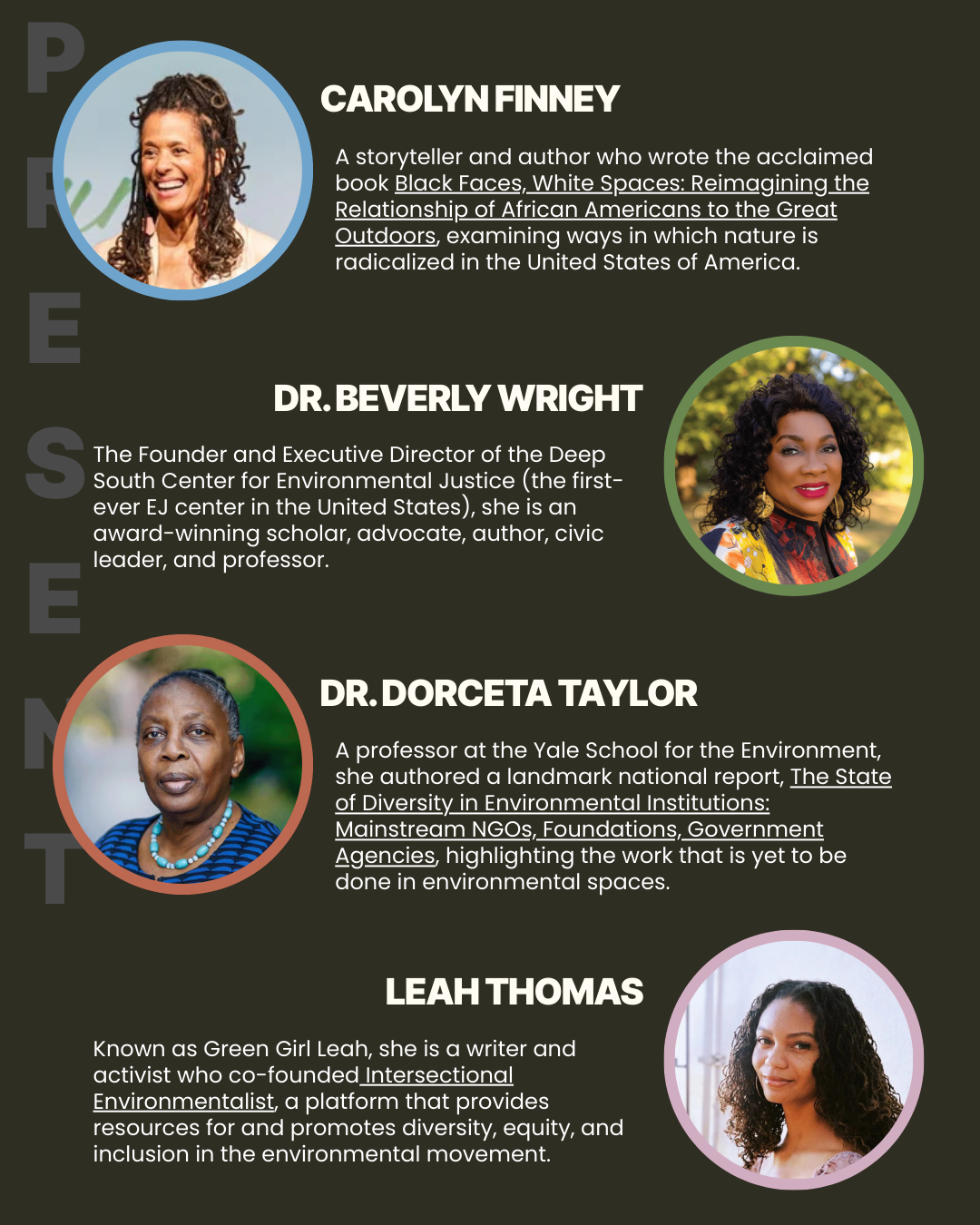
Looking to get inspired?
Listen to lawyer and climate activist Colette Pichon Battle, “On Knowing What We’re Called To”, or hear from scientist Dr. Ayana Elizabeth Johnson, “Stop Doom-Scrolling, Start Building the Future”.
Looking for more ways to celebrate Black History Month?
Read Black authors––explore Boston Public Library’s Black Is… booklist and Barnes and Noble’s What to Read Next: Black History Month Edition list.
Choose to buy from Black-Owned businesses to support your local community and celebrate diversity.
Celebrate the visual arts heritage of African cultures and the African diaspora worldwide at the Museum of the National Center of Afro American Artists (NCAAA) in Roxbury.
Eat at Black-owned Restaurants to celebrate, uplift, and invest in your community.
Attend the National Park Service’s virtual event, “The World Must Be Safe for Democracy: Black Soldiers in WWI,” on February 11.
Celebrate Afro-Indigenous food by taking a cooking class with BPL’s Chef-in-Residence Kayla Tabb. Join the “Plant-Based” class on February 14 or the “Sweets” class on February 23.
Dig Deeper into Black Voices of the Revolution on February 17 with Boston’s Museum of African American History or attend one of their other events.
Children and families are invited to join the Black History Month Celebration in Dorchester on February 18.
Heal in nature with local nonprofit H.E.R.O. Nurturing Center’s silent nature healing walk on February 21 in honor of Black History Month and as a part of its Art2Heart campaign.
Join the enlightening two-part program centered on The Historical Contributions of African American Women of Roxbury on February 24, hosted by Hist-oric-aly Cor-rect and BPL.
Racial justice and climate justice are inseparable. To create a just, resilient future, we must center the voices of communities most affected by environmental racism, ensuring everyone has equal access to clean air, water, land, and opportunity.
Want to learn more about the link between racial and climate justice?
Listen to Living Downstream from NPR, or explore resources from Intersectional Environmentalist and Celebrating Black Environmentalists During Black History Month by the San Francisco Environment Department.